Finding the right electric burr coffee grinder affects extraction, flavor, and convenience. This guide compares five reliable grinders with varied grind settings, burr types, and capacity to help American home brewers choose the best fit for drip, espresso, French press, or cold brew.
| Product | Brand | Key Strength |
|---|---|---|
| CUISINART Coffee Grinder, DBM-8P1 | CUIJ9 | 18-Position Grind Selector, Removable Parts |
| OXO Brew Conical Burr Coffee Grinder | OXO | Stainless Steel Conical Burrs, One-Touch |
| SHARDOR Electric Burr Coffee Grinder 2.0 | SHARDOR | Flat Burr, 16 Precise Settings, Up To 14 Cups |
| QJA Burr Grinder Electric (Updated) | QJA | 60 Grinding Settings, LCD Touch Screen, Timer |
| Hamilton Beach Electric Burr Grinder (80385) | Hamilton Beach | 18 Settings, Large 16oz Hopper, 2–14 Cup Selector |
Cuisinart Burr One-Touch Automatic Grinder
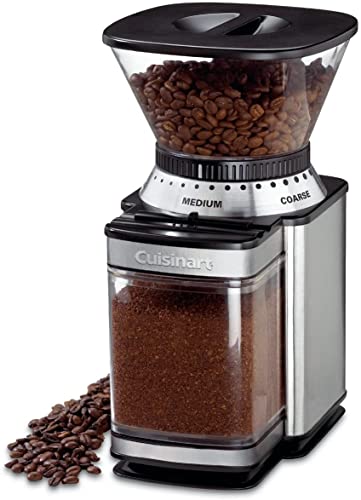
Key Features: 18-position slide-dial grind selector, 8 oz removable bean hopper, removable grind chamber that holds grounds for 4–18 cups.
The Cuisinart DBM-8P1 uses flat burrs and an 18-position selector to produce a range from ultra-fine to extra-coarse grinds. Removable hopper and grind chamber simplify cleaning and transfer. The ground capacity aims to support a range of brew sizes, making it a pragmatic choice for households that brew varying quantities. Its one-touch operation suits users seeking straightforward daily use without advanced digital controls.
OXO Brew Conical Burr Coffee Grinder
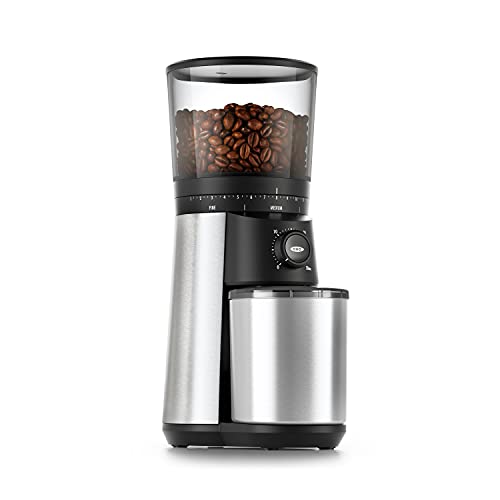
Key Features: Stainless steel conical burrs, 15 grind settings with micro-adjustments, one-touch start that remembers last setting.
OXO’s conical burr design emphasizes consistent particle size and reduced heat during grinding. The one-touch memory is convenient for repeatable home routines. With mid-range settings and micro-adjustments, the grinder supports espresso through French press. Stainless steel burrs are durable and suited for users valuing consistent extraction and a compact footprint on kitchen counters.
SHARDOR Electric Burr Grinder 2.0
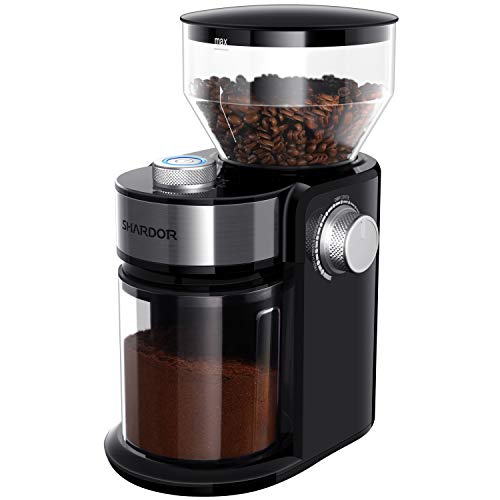
Key Features: Flat burrs, 16 grind settings, capacity up to 14 cups, focus on consistent grind size and aroma retention.
The SHARDOR model highlights uniform grind size using flat burrs and 16 settings tuned for various brew methods. Its claimed capacity up to 14 cups addresses larger households or occasions. The design supports experimenting across espresso, drip, and press methods. The vendor notes reducing waste by grinding only needed amounts, aligning with users who want both volume and precision.
QJA Burr Grinder With 60 Settings

Key Features: 60 grinding settings, low-speed operation to reduce heat/noise, LCD touch screen, precise timer up to 60 seconds, 1–8 cup selection.
The QJA grinder emphasizes extreme adjustability with 60 grind settings and a digital timer in 1-second increments. Low-speed operation aims to protect flavor by minimizing heat buildup. The LCD touch interface provides granular control over dose and grind time, appealing to users who want precise repeatability and customization for specialty brews or home espresso workflows.
Hamilton Beach Burr Coffee Grinder
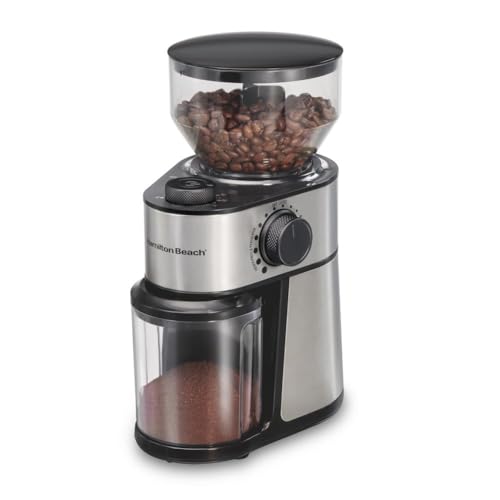
Key Features: 18 precision grind settings, 16 oz hopper, 2–14 cup selector, snap-on lid for mess-free pouring.
Hamilton Beach provides a straightforward, user-friendly burr grinder with an emphasis on practical capacity and mess control. The 18 settings let users move from espresso to coarse press. A large hopper supports frequent use without constant refills, and the snap-on lid on the grounds container is designed to reduce spills when transferring to brew baskets or portafilters.
Buying Guide: How To Choose An Electric Burr Coffee Grinder
Burr Type: Choose between conical and flat burrs. Conical burrs tend to run cooler and produce less noise; flat burrs often deliver very uniform particle distribution beneficial for consistent extraction. Both can produce excellent results when well-made.
Grind Settings & Adjustability: More settings offer finer control. For espresso, prioritize micro-adjustments. For multi-method households, 15–60 settings provide flexibility. Digital timers and dose options add repeatability.
Speed & Heat: Low-speed motors reduce heat transfer to the coffee, preserving volatile oils and aroma. If flavor preservation matters, prefer grinders with lower RPM or explicit low-speed operation.
Capacity & Hopper Size: Consider how much coffee you grind per session. Larger hoppers (12–16 oz) suit frequent or multi-cup brewing; smaller hoppers reduce stale-bean risk for single-cup users.
Dose Control & Timer: Built-in timers or cup selectors minimize guesswork. Manual dosing gives flexibility; digital dosing improves consistency across shots or pots.
Retention & Cleanability: Grind retention (coffee trapped inside) affects freshness and flavor switching between beans. Removable hoppers, chambers, and burr assemblies simplify cleaning and reduce retention.
Anti-static Features: Static-prone grounds can cling to the tray and counter. Anti-static bins, silicone bellows, or grounding features reduce mess and improve measured dosing.
Durability & Burr Material: Stainless steel burrs balance performance and longevity. Ceramic burrs hold a sharp edge longer but can chip. For heavy use, look for hardened steel or high-quality stainless burrs.
Noise And Build Quality: If kitchen noise is a concern, compare product specs and user reports for decibel levels. Metal housings and sturdy construction reduce vibration and perceived noise.
Use Case And Budget: Match features to needs—precision and digital control for espresso enthusiasts; reliability and capacity for families; portability and compact design for small spaces. Higher adjustability and durability usually increase cost.
Warranty And Support: Check manufacturer warranty and availability of replacement burrs. Easy-to-source parts and customer support matter for longevity and maintenance.
Comparing across these perspectives—burr type, settings, capacity, and usability—will help you select an electric burr grinder aligned with your brewing style and kitchen routine.