Choosing a reliable commercial blender is essential for high-volume kitchens. The following selections emphasize power, capacity, noise reduction, and durability—factors that help cafes, juice bars, and full-service restaurants serve drinks, sauces, soups, and batters with speed and consistency. Below are five top options aligned to restaurant demands, followed by a practical buying guide.
Product Quick Reference
- Cleanblend Commercial Blender with 5-Year Full Warranty — 1800W / 3HP; 64oz
- WantJoin Commercial Blender — 136oz Capacity; 18800 RPM; 1400W
- WantJoin Professional ETL Listed 68oz Blender — 1800W; 30,000 RPM
- WantJoin Professional Commercial Blender With Shield Quiet Enclosure — 2200W
- Hijolla Commercial Blender With Soundproof Shield — 2200W; 70oz
Cleanblend 1800W Commercial Blender
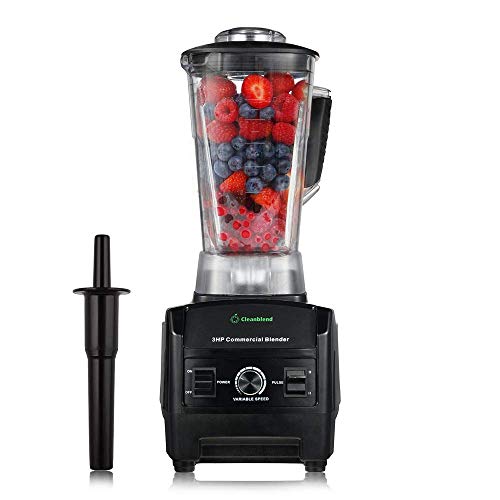
The Cleanblend model delivers high-powered performance with a 3 HP, 1800-watt motor suited for ice crushing, pureeing, soups, and sauces in busy kitchens. Its variable speed control supports precise texture customization, while the 64-ounce pitcher handles large batches, reducing the need for frequent reblends. The design emphasizes quiet operation for a heavy-duty unit, making it practical for open dining areas and early-morning prep lines.
WantJoin 136 Oz Commercial Blender

Designed for high-output environments, this WantJoin unit offers a 136-ounce capacity and a robust 1400-watt motor with eight hardened 304 stainless steel blades. It reaches up to 18800 RPM for rapid ice and hard-ingredient blending, ideal for juice bars and busy kitchens. A durable copper motor is highlighted for longer service life under constant commercial use, helping reduce downtime and maintenance costs in shift-heavy settings.
WantJoin 68oz Professional Blender (ETL Listed)

This ETL-listed WantJoin model blends at up to 1800 watts with a 30,000 RPM peak. The 68-ounce jug balances batch size and space, while multiple speed settings and a timer facilitate consistent textures without guesswork. It emphasizes ease of cleaning and operation—helpful in restaurants where staff turn over and quick cleaning cycles matter between batches.
WantJoin Shielded 2200W Commercial Blender

This model emphasizes quiet operation with a shield sound enclosure while delivering strong 2200W power. A large jar supports substantial batches, and the unit is designed to minimize noise disruption in customer-facing spaces. It emphasizes durability and consistent performance, making it a solid choice for mid-to-large restaurants that require reliable, long-running blending capability.
Hijolla 2200W Quiet Commercial Blender

The Hijolla unit pairs a 2200W motor with a quiet, thicken shield to reduce noise and splatter. It uses six blades and up to 32000 RPM, designed for quick processing of soft and hard ingredients. The self-cleaning feature and sound-dampening design suit open-concept kitchens where maintaining a calm atmosphere is important for both staff and guests.
Buying Guide: Key Purchase Considerations
- Power and speed: Restaurants benefit from blenders with 1800-2200W motors and high RPM ratings to quickly process ice, frozen fruit, and dense ingredients. Ensure the model can handle the heaviest daily workloads without overheating.
- Capacity and batch size: Choose a pitcher size that aligns with your service style. Large batches reduce refill frequency during peak hours, but consider space constraints on your prep line.
- Durability and warranty: Commercial-grade motors, stainless steel blades, and solid housings are essential. A long warranty (where offered) helps protect the investment in a busy operation.
- Noise reduction: In open dining concepts or early shifts, quieter operation improves the guest and staff experience. Shielded enclosures and insulated housings are valuable features.
- Ease of cleaning: Self-cleaning modes or simple disassembly reduce downtime between batches and ensure hygiene standards are met quickly.
- Versatility: Models that can blend smoothies, soups, sauces, dressings, and batters offer more value in a restaurant setting. Variable speeds and preset programs support consistent results.
- Maintenance and parts availability: Look for brands with readily available replacement blades, gaskets, and motors. Accessibility of service helps minimize downtime.
- Safety features: Overload protection, thermal cutoffs, and secure lids reduce the risk of accidents in a fast-paced kitchen environment.
Additional Considerations
- Noise control vs. capability: Some units prioritize quiet operation at the expense of peak performance. Balance noise needs with the required blending power for your menu.
- Space and workflow: Position blenders near prep zones but away from direct heat sources. A streamlined layout reduces transit time between stations.
- Energy efficiency: While high-powered blenders consume more electricity, choosing units with efficient motors and thermal protection can lower long-term costs.
- Special-use features: If you frequently make hot soups or sauces, check for designs that handle heat and offer reliable thermal management.