Finding the right 3 cup coffee pot means deciding between stovetop moka pots, lightweight percolators, and compact drip machines for small servings. Below is a concise comparison of top models to help narrow choices based on material, portability, and brew style.
| Product | Type | Material/Feature |
|---|---|---|
| Bialetti Moka Express 3 Cup | Stovetop Moka Pot | Aluminum, patented safety valve |
| IMUSA 3-Cup Stovetop Coffeemaker | Stovetop Espresso Maker | Durable aluminum, cool-touch handle |
| Primula 3-Cup Moka Pot | Stovetop Moka Pot | Cast aluminum, heat-resistant handle |
| GSI Outdoors 3 Cup Percolator | Percolator | Stainless steel, PercView knob |
| Captain Stag 3 Cup Stainless Percolator | Percolator | 18-8 stainless steel, compact |
Bialetti Moka Express: Iconic Stovetop Espresso Maker

The Bialetti Moka Express is the original stovetop moka pot designed to produce concentrated coffee in small volumes. It is made in Italy from aluminum and features a patented safety valve and ergonomic handle. The brewing method requires filling the boiler to the safety valve, adding ground coffee without tamping, and heating until gurgling begins. Its historic design and straightforward operation make it a standard choice for users seeking a classic stovetop espresso-style brew.
IMUSA USA 3-Cup Aluminum Espresso Stovetop Coffeemaker

The IMUSA 3-Cup Coffeemaker is an aluminum stovetop espresso-style pot with a cool-touch handle and knob for handling safety. Manufacturer notes emphasize grind size, coffee amount, and tamping as key variables affecting extraction pressure and yield. The unit is intended for hand-wash care and is designed to keep coffee warm while delivering small, strong servings suitable for espresso-style drinks.
Primula Classic Stovetop Moka Pot For 3 Cups
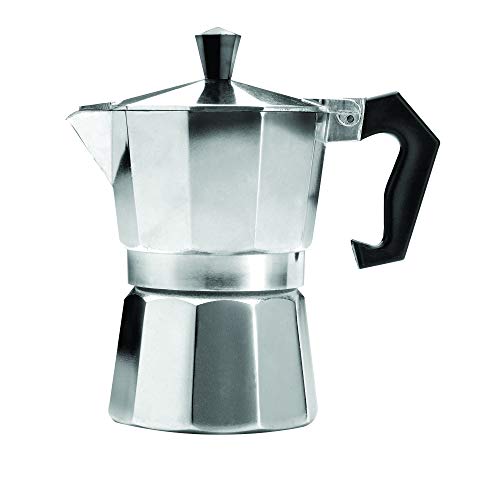
The Primula Classic is a cast aluminum moka pot producing three demitasse servings. Its cast construction aims for even heat distribution and durability. The design includes a flip-top lid, heat-resistant knob and handle, and straightforward fill-and-brew operation. It supports making espresso-style coffee, Americanos, and simple milk-based drinks when combined with frothed milk.
GSI Outdoors 3 Cup Percolator Coffee Pot Glacier

The GSI Outdoors Glacier Stainless Percolator is targeted at camping and travel. Built from stainless steel with a silicone handle, it is stove-safe and measures cups using a 5 oz standard percolator cup. A clear PercView knob lets users observe brew strength. The percolator design repeatedly cycles hot water through grounds, producing a robust, full-bodied coffee suitable for outdoor and group settings.
Captain Stag 18-8 Stainless Steel Percolator 3 Cup

The Captain Stag 3 Cup Percolator is a compact stainless steel pot that lists a full capacity near 0.3 gallons and a lightweight profile around 13.8 ounces. Its 18-8 stainless construction supports durability and stove-top use. The percolator format is useful for users who prioritize simplicity, ruggedness, and the ability to brew multiple small servings in outdoor contexts.
Buying Guide: Choosing The Right 3 Cup Coffee Pot
Selecting the best 3 cup coffee pot depends on brew style, portability, material, and heat source compatibility. Below are key considerations to evaluate before purchase.
1. Brew Method And Flavor Profile
- Moka Pot (stovetop): Produces concentrated, espresso-like coffee with bold flavor. Works well for milk drinks and those who prefer intense coffee.
- Percolator: Delivers robust, often stronger and more rustic coffee due to repeated cycling. Good for camping and larger kettles over open flame.
- Consider if you need a true espresso extraction (requires espresso machines) versus stovetop intensity from moka pots.
2. Material And Durability
- Aluminum: Common for classic moka pots—lightweight and fast-heating but can oxidize if not dried properly.
- Cast Aluminum: Heavier, offers even heating and durability for frequent stovetop use.
- Stainless Steel: Preferred for percolators and camping due to corrosion resistance and ruggedness.
3. Heat Source Compatibility
- Verify compatibility with gas, electric, ceramic, and induction. Some aluminum moka pots require an induction adapter plate for induction cooktops.
- Percolators and stainless steel units are often more universally stove-safe.
4. Capacity And Portion Definition
- Manufacturers may define a “cup” differently: moka pots often mean demitasse (≈2 oz espresso servings), while percolators may use 5 oz cup measures. Confirm the serving size aligns with your needs.
5. Ease Of Use And Cleaning
- Look for removable filters and simple disassembly for rinsing. Many aluminum pots are hand-wash only.
- Percolators with clear knobs let you monitor brew strength but may need more thorough cleaning after rugged use.
6. Portability And Use Case
- For travel and camping, prioritize stainless steel percolators with heat-resistant handles and stove-safe construction.
- For home countertop use, moka pots offer compact size and quick brewing suited to small kitchens.
7. Safety Features
- Check for pressure/safety valves on moka pots and cool-touch handles or knobs to reduce burn risk during pouring.
8. Grind Size And Brewing Variables
- Grind size affects extraction: moka pots favor a medium-fine grind; percolators tolerate coarser grounds. Adjust grind and coffee dose for desired strength and to avoid over- or under-extraction.
9. Comparison Perspectives
- Flavor vs. Convenience: Moka pots produce richer, concentrated coffee but require careful heat control. Percolators are simple and rugged but can over-extract if left too long.
- Home vs. Outdoor: Cast aluminum moka or small stainless unit is ideal for home; stainless percolator excels outdoors.
- Maintenance vs. Longevity: Stainless steel typically outlasts aluminum but may weigh more; cast aluminum balances heat performance with reasonable durability.