Pour-over coffee makers for about four cups balance convenience and control. Below is a quick comparison of five well-reviewed options that fit 1–4 cup brewing, reusable-filter designs, and widely used cone drippers. Use the table to find the best match for capacity, material, and filter style.
| Product | Capacity/Notes | Key Feature |
|---|---|---|
| BODUM 17oz Pour Over Coffee Maker | About 17oz (~3–4 small cups) | Borosilicate Glass + Stainless Filter |
| Fino Number 4 Pour-Over Cone | Brews 2–6 servings | Reusable BPA-Free Polypropylene |
| dailybrew Triple Layer Stainless Cone | 1–4 cup manual dripper | Triple-Layer 18-10 Stainless |
| Kalita Style Dripper 102 | Approximately 4 cups | Wave Design For Even Extraction |
| LHS Stainless Steel Dripper | 1–4 cup single-cup size | Fine Mesh Paperless Filter + Stand |
BODUM 17oz Pour Over Coffee Maker

The BODUM 17oz Pour Over combines a high-heat borosilicate glass carafe with a permanent stainless steel filter and cork grip. The glass resists thermal shock, helping preserve coffee aromas and flavor without imparting off-notes. The reusable filter eliminates paper waste while allowing natural oils to pass into the cup.
Best Suited For: Brewers who want a clean glass aesthetic, easy cleanup, and a permanent filter that maintains more of the coffee’s natural oils. The 17oz carafe suits smaller households or 2–3 servings at a time.
Fino Number 4 Pour-Over Cone
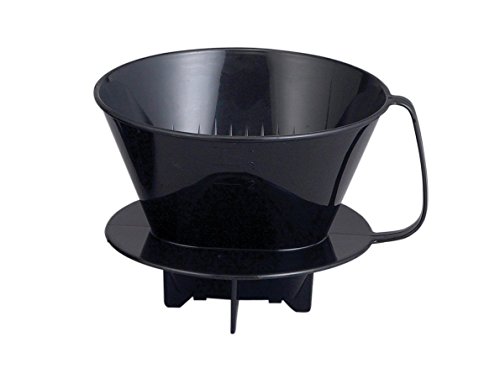
The Fino Number 4-size brewing cone is a lightweight, BPA-free polypropylene dripper that brews 2–6 servings. It’s durable, non-breakable, and portable. The cone includes instructions and is sized to match standard #4 filter bags if you prefer paper filters for a cleaner cup.
Best Suited For: Users who want a portable, unbreakable dripper with the flexibility to use either reusable cones or paper filters. The plastic body can be more resilient for outdoor use or travel compared with glass or ceramic options.
dailybrew Triple Layer Stainless Cone

dailybrew’s cone uses heavy-duty 18-10 stainless steel with a triple-layer mesh that aims to prevent fragility and improve filtration. The cone’s beveled cuts and layered structure work to control flow rate while enabling full flavor extraction without paper filters.
Best Suited For: Coffee drinkers seeking a durable, long-lasting metal dripper that filters without paper and offers flexible brew times by varying grind size. The design supports medium-coarse to fine grounds for different strengths.
Kalita Style Coffee Dripper 102

The Kalita 102 features a patented wave filter design that reduces contact between the filter and dripper, creating a stable water pool over the coffee bed. This promotes even extraction and helps prevent over-extraction from excessive agitation. The Kalita system is common in specialty cafes and suitable for both beginners and experienced brewers.
Best Suited For: Users prioritizing consistent, balanced extraction and those who plan to use paper wave filters designed for Kalita. The 102 size targets modest batch brewing around four cups.
LHS Stainless Steel Pour Over Dripper
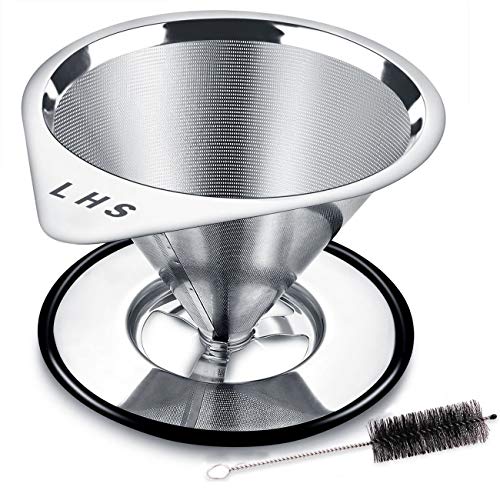
The LHS dripper emphasizes fine mesh stainless steel filtration and includes a wide cup stand and cleaning brush. The extra-fine lower mesh helps keep grounds out of the cup, and the paperless design reduces filter waste. The metal base is sized to sit over most single-cup mugs and small travel canteens.
Best Suited For: Those who prefer paperless brewing with easy maintenance and a compact setup for single to small-batch brewing. The included stand increases stability during pouring.
Buying Guide: How To Choose A 4 Cup Pour Over Coffee Maker
This guide covers key considerations when selecting a pour-over dripper suitable for roughly four cups. Evaluate your brewing goals across extraction control, capacity, material, maintenance, and portability.
Capacity And Batch Size
Confirm the dripper or carafe capacity vs your typical serving size. Four-cup targets typically mean 12–20 ounces per serving depending on cup size; check listed ounces rather than “cups” since definitions vary.
Filter Type: Paper Versus Reusable
- Paper Filters produce a cleaner cup by trapping oils and fines, reducing sediment.
- Metal Or Mesh Filters allow oils through for fuller body and reduce ongoing filter cost and waste.
- Consider availability of replacement paper filters and how each method affects flavor and cleanup.
Material And Heat Retention
Materials affect thermal stability and durability. Borosilicate glassCeramicStainless steel
Extraction Control And Flow Design
Dripper geometry influences flow rate and extraction. Features like internal ribs, multi-hole bases, or wave designs help create consistent extraction. Choose a design that matches your skill level and desire for repeatability.
Grind Size And Brew Time
Different filter types require different grind sizes: metal meshes often use slightly coarser grinds to avoid over-extraction, while paper filters can use medium-fine grinds. Check manufacturer notes for recommended grind ranges and expected brew times.
Cleaning And Durability
Reusable filters and metal cones require rinsing and occasional deep cleaning. Ceramic and glass drippers may be dishwasher safe but are breakable. Consider lifetime cost, ease of cleaning, and replacement part availability.
Portability And Use Case
If you plan to travel or camp, choose unbreakable materials like BPA-free polypropylene or stainless steel. For home brewing with a display element, glass or porcelain may be preferred.
Multiple Comparison Perspectives
- Flavor Focus: Metal filters deliver more body and oils; paper filters yield cleaner cups.
- Convenience: Plastic or stainless drippers are low maintenance and portable; glass/ceramic require gentler handling.
- Consistency: Systems with specialized filters (e.g., Kalita wave) promote repeatable results across brews.
- Sustainability: Reusable filters reduce ongoing waste; consider the lifecycle of materials.
Use these considerations to match a dripper to your brewing priorities: flavor profile, batch size, cleanup tolerance, and portability. Test grind size and pour technique to dial in extraction regardless of the model chosen.