This guide compares top coffee and cappuccino makers to help American shoppers choose the best machine for home espresso, cappuccino, and latte needs. Below is a quick summary of the selected products and their standout capabilities.
| Product | Key Features | Best For |
|---|---|---|
| Ninja Espresso & Coffee Maker & Barista System | 19-bar pressure, built-in fold-away frother, capsule compatibility | Single-serve espresso and milk drinks with capsule flexibility |
| Keurig K-Cafe C | K-Cup compatibility, dishwasher-safe frother, Strong Brew option | Pod convenience with cappuccino and latte capability |
| CASABREWS CM5418 20 Bar | 20-bar pump, steam wand frother, stainless steel housing | Compact pump-driven espresso with manual frothing |
| Gevi Commercial 20 Bar | 20-bar pump, pre-infusion, pressure gauge, powerful steam wand | Café-style extraction features and durable build |
| QJA 20 Bar Espresso Machine | 20-bar Italian pump, LED touch screen, 57.5oz water tank | Programmable controls and larger water capacity |
Ninja Barista System
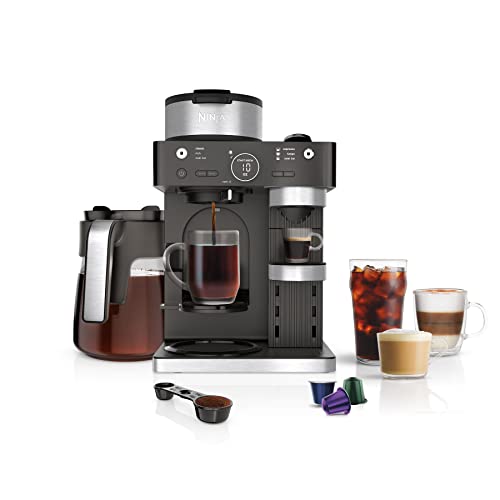
The Ninja Espresso & Coffee Maker & Barista System uses Barista Plus technology with a 19-bar pressure system to deliver concentrated brews and a silky crema. It supports single-serve brewing from espresso capsules and offers three espresso styles: Espresso (1.35 oz), Lungo (3.75 oz), and Over Ice (1 oz).
The integrated fold-away frother produces textured milk for cappuccinos, lattes, and flat whites without a separate accessory. Capsule compatibility provides convenience for users who prefer pod-based espresso while retaining the capability to make milk-forward drinks.
Considerations include capsule dependence for espresso shots and the machine’s footprint. The feature set is geared toward users seeking versatile single-serve espresso and milk drinks with minimal barista technique required.
Keurig K-Cafe
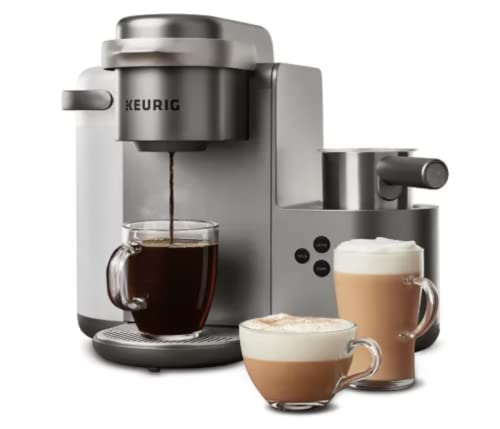
The Keurig K-Cafe C is a single-serve system designed to brew coffee, lattes, and cappuccinos using any Keurig K-Cup pod. It includes a dishwasher-safe milk frother suitable for dairy and alternative milks such as soy and almond.
A Strong Brew option increases extraction strength for bolder flavor, and the machine’s straightforward controls prioritize convenience and speed. The frother automates milk texturing rather than relying on manual steam wands.
This model is suited to users who value pod convenience and quick milk-based drinks. It is less focused on traditional espresso extraction pressure and more on consistent pod-based results and easy maintenance.
CASABREWS 20 Bar Espresso

The CASABREWS CM5418 is a compact stainless steel espresso maker featuring a 20-bar professional Italian pump and a 1350 W boiler. The included steam wand enables manual milk frothing for cappuccinos, lattes, and flat whites.
A built-in pressure gauge provides feedback on extraction pressure, which helps users adjust technique for preferred flavor profiles. The machine emphasizes traditional pump-driven extraction and manual steam wand control rather than automated frothing.
Ideal for home or office users who want barista-style extraction and manual milk texturing. The compact size fits smaller countertops while offering the pressure and steam system typical of entry-level prosumer machines.
Gevi 20 Bar Espresso

The Gevi Commercial espresso machine features a 20-bar pump, NTC temperature control, and a pre-infusion feature intended to improve extraction evenness. A pressure gauge and removable froth nozzle support hands-on control and easier cleaning.
The powerful steam wand is designed to produce silky microfoam for latte art and textured milk drinks. The stainless steel housing provides a durable, compact footprint suitable for countertop placement.
Gevi’s feature set targets users seeking café-style controls such as pre-infusion and temperature management, which can enhance extraction consistency for those refining brewing technique.
QJA 20 Bar Espresso

The QJA espresso machine pairs a 20-bar Italian pump with a 1400 W boiler and an LED touch screen for programmable brewing. It includes a pre-impregnation (pre-infusion) function and cold extraction options to tailor extraction profiles.
A 57.5 oz removable water tank increases run-time between refills, and the machine’s steam wand with removable nozzle simplifies frothing and cleaning. The touch screen facilitates setting brew time and extraction parameters.
QJA is aimed at users who want programmability and larger water capacity with semi-automatic controls for consistent espresso and milk-based drinks.
Buying Guide
Selecting the right coffee and cappuccino maker depends on several factors. This buying guide highlights key considerations to match a machine to your routine and preferences.
Extraction Method And Pressure
Pump Pressure: Machines with 15–20 bar pumps are common for home espresso. Higher nominal bars do not guarantee better flavor, but a quality pump and stable temperature are important for consistent extraction.
Pre-Infusion: A pre-infusion feature can improve even extraction by wetting the grounds before full pressure is applied, which helps develop balanced flavors.
Milk Frothing And Drink Types
Steam Wand vs. Automatic Frother: Steam wands give greater control for microfoam and latte art, favored by those practicing barista technique. Automatic or electric frothers prioritize convenience and consistent froth with less skill required.
Compatibility With Milk Alternatives: If you use almond, soy, or oat milk, check frother performance with those milks—some devices handle alternatives better than others.
Convenience And Ease Of Use
Pod Compatibility: Pod-based machines (K-Cup, capsule compatible) offer speed and low cleanup but limit grind customization. If you prefer fresh ground coffee, choose a machine with portafilter support.
Programmable Controls: Touch screens and programmable shot lengths help repeatability. Manual machines require more skill but offer control for tuning shots.
Capacity, Footprint, And Maintenance
Water Tank Size: Larger tanks reduce refill frequency—important for households or office settings. Removable tanks simplify refilling and cleaning.
Counter Space: Measure machine dimensions to ensure a fit. Compact machines are available but may trade off features like larger boilers or reservoirs.
Cleaning: Removable drip trays, accessible portafilters, and dishwasher-safe frother parts simplify maintenance. Consider descaling requirements and ease of accessing internal components.
Build Quality And Materials
Housing And Boiler Materials: Stainless steel housings and metal boilers typically offer improved durability and heat stability compared to plastic alternatives. Pressure gauges and metal portafilters indicate a more robust build.
Flavor And Customization
Grind Control: For machines using ground coffee, grind size and tamping affect extraction. Espresso-capable machines benefit from a separate burr grinder to achieve consistent results.
Shot Options: Look for multiple shot sizes or a concentrated shot function to create lattes, cappuccinos, or Americanos from a single machine.
Performance Comparisons
- Pod Systems (e.g., Keurig): Best for speed, low maintenance, and consistent single-serve drinks. Less control over extraction and flavor nuance.
- 19–20 Bar Pump Machines (e.g., Ninja, CASABREWS, Gevi, QJA): Offer stronger extraction potential and steam wands for textured milk. Preferable for users seeking café-style beverages and manual technique.
- Automatic Frothers vs. Steam Wand: Automatic frothers streamline milk drinks; steam wands enable advanced milk texturing and latte art.
Final Selection Checklist
- Decide whether convenience (pods/automatic frother) or control (pump pressure/steam wand) matters more.
- Check water tank size and footprint against your counter space and daily usage.
- Confirm milk frothing compatibility with your preferred milk type.
- Review cleaning and maintenance features like removable components and descaling access.
- Consider build materials and included control features (pressure gauge, programmable shots, pre-infusion).