Choosing the right machine can make a big difference in daily coffee quality. Below is a concise comparison of five well-rated home espresso and cappuccino machines selected for pressure, milk-frothing capability, and compact design.
| Model | Key Feature | Ideal For |
|---|---|---|
| Gevi 20-Bar Espresso Maker | 20-bar pump, stainless steel | Café-style extraction |
| CASABREWS CM5418 | 20-bar pump, 34oz tank | Frequent use, consistent shots |
| Ninja CFN601 Barista System | 19-bar system, capsule compatible | Versatility, single-serve |
| QJA 20-Bar Touchscreen | 20-bar pump, LED touch controls | Programmable brewing |
| Mr. Coffee 15-Bar Programmable | Automatic milk frother | Simplified frothing, programmability |
Gevi Commercial 20-Bar Espresso And Cappuccino Machine

Brand: Gevi. This stainless steel unit emphasizes 20-bar extraction, an NTC temperature control, and a pre-infusion feature for improved flavor development. It includes a pressure gauge to monitor extraction pressure.
The machine offers a powerful steam wand and a removable froth nozzle for milk texturing and easier cleaning. Its compact stainless housing suits small counters while aiming for consistent café-style beverages like espresso, americano, cappuccino, and macchiato.
CASABREWS CM5418 20-Bar Espresso Machine With Steam Wand

Brand: CASABREWS. This semi-automatic machine pairs a 20-bar Italian pump with a 1350W boiler and a visible pressure gauge for extraction control. The removable 34oz water tank supports extended use without frequent refills.
The steam wand textures milk for cappuccinos and lattes and supports foam art. The stainless steel finish and compact footprint position this model for home or small office use where regular espresso brewing and milk-based drinks are desired.
Ninja Espresso & Coffee Maker Barista System CFN601
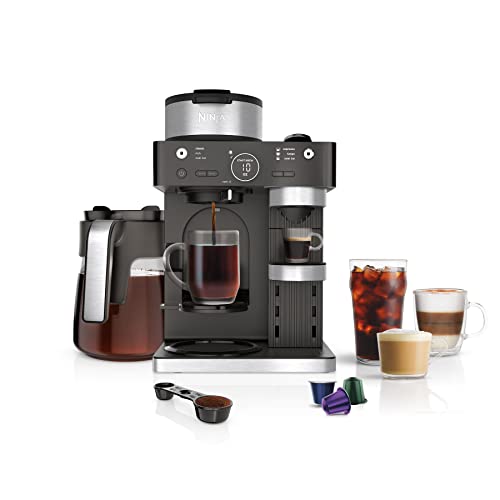
Brand: Ninja. The CFN601 uses 19-bar pressure Barista Plus technology and delivers three espresso brew styles: Espresso, Lungo, and Over Ice. It also accepts espresso capsules for single-serve convenience.
A built-in fold-away frother simplifies milk texturing without manual steam wand work. This model emphasizes versatility—espresso-style shots, single-serve convenience, and integrated frothing—suitable for users who want multiple preparation modes from one machine.
QJA 20-Bar Touchscreen Espresso Machine With Large Tank

Brand: QJA. This updated model features a 20-bar Italian pump, 1400W boiler, and a programmable LED touch display for brewing control. It includes a pre-impregnation function to promote even extraction.
The machine’s removable 57.5oz water tank reduces refill frequency. A steam wand with a removable nozzle furnishes creamy milk foam and makes cleaning more convenient. The controls support timed brewing and cold extraction for recipe flexibility.
Mr. Coffee Espresso And Cappuccino Machine 15-Bar Programmable
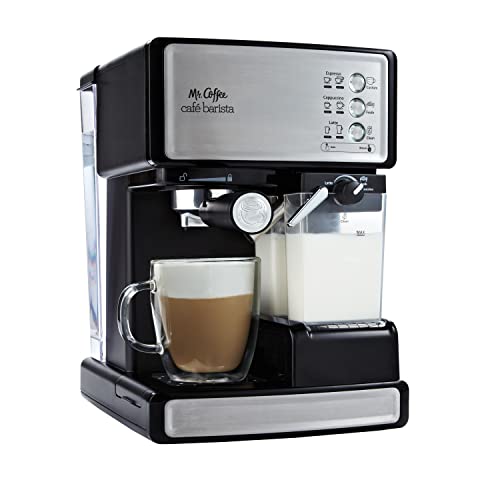
Brand: Mr. Coffee. This model focuses on user-friendly automation with a 15-bar pump and an automatic milk frother that reduces manual frothing steps. It offers 3-in-1 functionality for espresso, cappuccino, and latte.
The programmable features and automatic frother target consumers seeking simplified, consistent milk-based drinks without advanced barista techniques. The model emphasizes ease of use and convenient frothing performance for everyday brewing.
Buying Guide: How To Choose The Right Machine
Selecting a cappuccino/espresso machine depends on extraction quality, milk-frothing needs, space, and control level. Below are key considerations when comparing machines.
Pressure And Extraction
- Bar Pressure: 15–20 bars are common. Higher advertised bars (20) often indicate a powerful pump useful for crema and extraction, but overall shot quality also depends on temperature stability and pre-infusion.
- Temperature Control: Look For NTC sensors or stable boilers to maintain optimal brew temperature for consistent flavor extraction.
Milk Frothing Options
- Steam Wand Vs Automatic Frother: Steam wands provide manual control for microfoam and latte art. Automatic frothers simplify the process for users who prioritize convenience over hands-on technique.
- Removable Nozzles: Removable froth nozzles or wand tips help with cleaning and maintenance.
Controls And Programmability
- Manual vs Programmable: Manual machines offer more control over shot timing and milk texture. Programmable or touchscreen models allow consistent results and preset recipes for repeatability.
- Pre-Infusion: Pre-infusion helps saturate grounds evenly and can improve extraction; useful when brewing espresso regularly.
Water Tank Capacity And Maintenance
- Tank Size: Larger tanks (34–57oz) reduce refill frequency—beneficial for frequent users or small offices.
- Descaling & Cleaning: Consider models with removable tanks, accessible drip trays, and easy-to-disassemble frother parts for routine cleaning.
Size, Build, And Counter Space
- Footprint: Compact stainless steel models suit limited countertops. Confirm height clearance for taller travel mugs if needed.
- Materials: Stainless steel housings offer durability and often better heat retention than plastic shells.
Drink Variety And Versatility
- Multiple Brew Styles: Machines that offer lungo, over-ice, and capsule compatibility increase versatility for households with varied preferences.
- Accessories: Portafilters, tampers, and included steam tips can add value for users building barista skills.
Performance Perspectives
- Shot Consistency: Evaluate pressure gauge presence and temperature systems to judge how steady a model brews over multiple shots.
- Froth Quality: Steam wand control typically yields denser, microfoam-style milk compared to some automatic frothers.
- Ease Of Use: Programmable interfaces and automatic frothers reduce the learning curve for newcomers.
Long-Term Considerations
- Parts Availability: Choose brands with accessible replacement parts and straightforward warranty/support channels.
- Energy And Heat-Up Time: Higher wattage boilers heat faster but can use more power. Look at warm-up times for busy mornings.