Choosing the right machine to make espresso, cappuccino, and lattes at home depends on pressure, frothing method, tank size, and ease of use. The table below summarizes five top options from fast single-serve systems to semi‑automatic machines with steam wands. Each product review highlights key features, intended user, and what to expect in daily use.
| Product | Key Features | Best For |
|---|---|---|
| CASABREWS CM5418 | 20 Bar Pump, Steam Wand, 34oz Tank | Compact Semi‑Automatic Home Barista |
| Ninja Espresso & Coffee Maker CFN601 | 19 Bar System, Built-In Frother, Capsule Compatible | Versatile Single‑Serve & Capsule Users |
| QJA 20 Bar Espresso Machine | 20 Bar Pump, Touchscreen, 57.5oz Tank | User-Friendly Controls And Larger Water Capacity |
| AIRMSEN 20 Bar Espresso Machine | Automatic Milk Frother, Dual Boiler, 60oz Tank | Hands-Free Milk Frothing And One‑Touch Drinks |
| De’Longhi Stilosa | 15 Bar Pump, Manual Steam Wand, Compact Design | Simpler Manual Control And Trusted Brand |
CASABREWS CM5418 Espresso Machine 20 Bar

The CASABREWS CM5418 is a semi‑automatic espresso maker featuring a 20 bar pressure system and a built‑in steam wand for milk texturing. The stainless steel finish suits many kitchens while the 34oz removable water tank supports multiple drinks between refills. A pressure gauge is included to monitor extraction and help tune shot quality.
Features include a powerful 1350W boiler and a steam frother capable of producing microfoam for latte art. The machine supports single/double baskets and claims professional‑style extraction. Cleaning is simplified by a removable tank and accessible drip tray. Suitable for users who want hands‑on brewing with consistent pressure and visible extraction feedback.
Ninja Espresso & Coffee Maker CFN601 Barista System
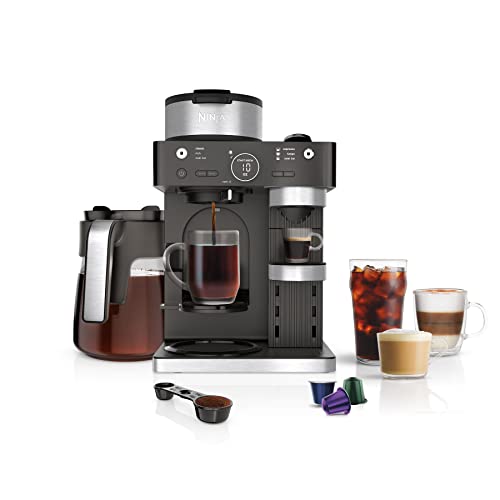
The Ninja CFN601 uses 19‑bar pressure technology described as Barista Plus, designed to deliver espresso with crema. It offers three espresso brew styles—Espresso, Lungo, and Over Ice—plus compatibility with espresso capsules for single‑serve convenience.
A fold‑away built‑in frother creates steamed or frothed milk for cappuccinos and lattes without an external pitcher. The system targets users who want flexible drink formats, capsule compatibility, and a compact footprint with automated frothing for faster drink prep.
QJA Espresso Machine With Touch Screen

The QJA espresso machine emphasizes programmable controls with an LED touch screen, pre‑infusion, and a 20 bar Italian pump. The 1400W boiler aims to maintain extraction temperature and the large 57.5oz removable water tank reduces refill frequency for active households.
A steam wand with removable nozzle supports milk frothing and easy cleaning. The touch interface supports brewing time programming and a cold extraction option. This model suits users who value digital controls, customization of shot parameters, and larger water capacity for entertaining or multiple daily drinks.
AIRMSEN 20 Bar Espresso Machine Automatic Frother

The AIRMSEN model positions itself as a 3‑in‑1 automatic espresso system with a detachable automatic milk frother and one‑touch drink options. It combines a 20‑bar pump with pre‑infusion technology and a dual‑boiler design for quicker steam recovery.
A 60oz tank and touchscreen controls enable batch brewing and easy selection of single/double shots. The automatic frother creates consistent foam with less hands‑on effort compared to manual steam wands. This machine is tailored to users who prefer convenience, automatic milk texture, and a higher water capacity for frequent use.
De’Longhi Stilosa Manual Espresso Machine
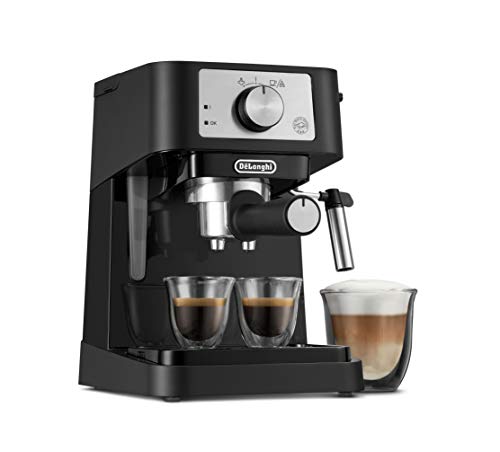
The De’Longhi Stilosa uses a 15 bar pump with a manual steam wand for milk texturing and a compact footprint for small counters. It includes a tamper and is designed to extract single or double espressos with manual control over frothing.
Its simplicity and brand history make it a common entry choice for users learning manual espresso techniques. The manual wand requires technique to produce microfoam, making this model suitable for buyers who want hands‑on control and a smaller machine without digital complexity.
Buying Guide: How To Choose An Espresso, Cappuccino, And Latte Maker
Selecting the right machine depends on several technical and practical considerations. Below are the most important factors to compare across models.
Pressure And Extraction
- Bar Rating: 15 to 20 bar pumps are common. Higher advertised bars relate to pump capability, but consistent pressure and proper extraction time matter more for shot quality.
- Pre‑Infusion: Models with pre‑infusion wet the puck before full pressure, promoting even extraction and fuller flavor.
Milk Frothing Options
- Manual Steam Wand: Offers technique control and typically better microfoam when used skillfully.
- Automatic Frother: One‑touch convenience with consistent foam; less hands‑on but may limit customization of texture.
Boiler, Power, And Heat Stability
- Boiler Power (W): Higher wattage usually heats faster and recovers steam pressure quicker between drinks.
- Single vs Dual Boiler: Dual boiler or heat‑exchange systems allow simultaneous brewing and steaming for faster beverage prep.
Controls And Usability
- Manual Knobs vs Touchscreens: Touchscreens and programmable settings simplify repeatable pours; manual controls appeal to users who prefer tactile adjustment.
- Removable Water Tank: Larger and removable tanks reduce refill frequency and ease cleaning.
Capacity And Footprint
- Water Tank Size: Consider daily beverage volume—larger tanks (50–60oz) suit multiple users or frequent entertaining.
- Machine Size: Compact machines conserve counter space but may have smaller tanks or fewer features.
Coffee Source Compatibility
- Ground Coffee: Standard portafilters and baskets accept ground coffee; check included baskets (single/double).
- Pods/Capsules: Some machines support ESE pods or specific capsule systems, useful for convenience and consistency.
Maintenance And Cleaning
- Detachable Parts: Removable tanks, drip trays, and frother nozzles simplify cleaning and descaling.
- Descaling Alerts: Models with maintenance reminders or easy access to internal components reduce long‑term upkeep effort.
Performance Perspectives To Compare
- Shot Consistency: Look for a pump with consistent pressure, stable temperature, and options for pre‑infusion.
- Milk Texture: Compare manual vs automatic frothing for the level of control you want over microfoam.
- Speed vs Customization: Automatic/one‑touch machines favor speed; semi‑automatic machines favor hands‑on customization.
- Capacity vs Counter Space: A bigger tank means fewer refills but larger footprint—balance with kitchen space.
Evaluating these factors against your daily routine and skill level will help identify the most suitable espresso, cappuccino, and latte maker for your home.