Finding a coffee machine with a dependable milk frother can simplify morning routines and expand drink options. Below is a concise comparison of five well-reviewed machines that pair espresso or pod brewing with milk frothing. Each product section includes the manufacturer features and objective notes to help you compare function, capacity, and ease of use.
| Product | Brand | Key Highlight |
|---|---|---|
| Espresso Machine With Grinder, 20 Bar Espresso Coffee Machines With Milk Frother Steam Wand | Electactic | Built-In Grinder + 20-BAR pump |
| CASABREWS CM5418 Espresso Machine 20 Bar | CASABREWS | Stainless Steel Compact Design + Pressure Gauge |
| Nespresso Vertuo Plus Coffee And Espresso Maker By De’Longhi With Aeroccino | De’Longhi | Pod System + Aeroccino Milk Frother |
| QJA Espresso Machine With Milk Frother, 20 Bar Compact | QJA | LED Touch Screen + Large Water Tank |
| Mr. Coffee Espresso And Cappuccino Machine Stainless Steel | Mr. Coffee | Programmable With Automatic Milk Frother |
Espresso Machine With Grinder And Steam Wand

This Electactic machine combines a built-in precision conical burr grinder with a 20-BAR pump and a steam wand for milk frothing. The product lists 30 preset grind settings to tailor grind size and a 1500W motor for extraction power. The steam wand provides high-pressure steam for creamy foam and can dispense hot water for rinsing or americano-style drinks.
Relevant attributes: integrated grinder reduces the need for a separate grinder, useful for users wanting a compact, all-in-one setup. The removable water tank aids cleaning. Considerations include maintenance of grinder and steam wand cleaning frequency; built-in grinders require regular care to maintain consistent grind.
CASABREWS CM5418 20 Bar Espresso Machine

The CASABREWS CM5418 is a semi-automatic espresso maker featuring a 20-bar Italian pump, a stainless steel exterior, and a steam wand for milk foaming. The machine includes a 34oz removable water tank and a built-in pressure gauge to monitor extraction pressure for adjustments.
Relevant attributes: the stainless steel finish is durable for frequent use. The pressure gauge assists in dialing in extraction, which benefits users who want visible feedback. The strong steam wand supports microfoam creation for latte art. Consider kitchen counter footprint and whether a semi-automatic workflow fits your routine.
Nespresso Vertuo Plus With Aeroccino Milk Frother

The Nespresso Vertuo Plus by De’Longhi is a capsule-based machine that brews both espresso and drip-style coffee sizes at the touch of a button. It pairs with the Aeroccino milk frother to create hot or cold milk foam, enabling lattes and cappuccinos from pods.
Relevant attributes: pod convenience provides consistent brewing without grind management, and the Aeroccino offers fast frothing without manual steaming. Consider the ongoing cost and variety of Nespresso capsules, capsule availability, and whether pod-brewed flavor profiles align with your taste preferences.
QJA Espresso Machine With Touch Screen And Steam Wand

The QJA model is a semi-automatic espresso machine featuring a 20-bar pump, LED touch screen, programmable brewing time, and a 57.5oz removable water tank. It includes a steam wand with a removable nozzle for milk frothing and easier cleaning.
Relevant attributes: the touchscreen and programmable settings provide more control over extraction profiles. The larger water tank suits households that brew multiple drinks between refills. The removable nozzle design reduces cleaning friction, which is helpful for users prioritizing hygiene and maintenance ease.
Mr. Coffee Espresso And Cappuccino Machine With Automatic Frother
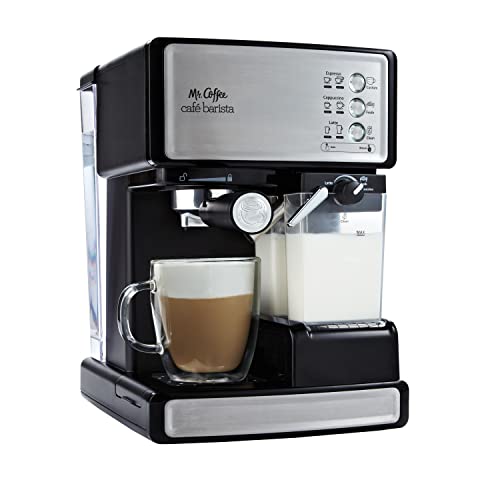
The Mr. Coffee unit is a programmable machine with a 15-bar pump and an automated milk frother intended for ease of use. It advertises semi-automatic espresso, cappuccino, and latte functions with an emphasis on straightforward operation for home baristas.
Relevant attributes: the automatic frother lowers the skill barrier for consistent foam and is suitable for users seeking convenience. The 15-bar pump is adequate for everyday espresso, though less powerful than 20-bar systems. Consider programmability and whether you prefer manual steam wand control for latte art versus automatic frothing.
Buying Guide: Choosing A Coffee Machine With Milk Frother
This guide outlines key considerations when selecting a coffee maker with a milk frother. Compare machines across these perspectives to match the device to your priorities.
Brewing System: Beans Versus Pods
- Bean-to-cup / Built-In Grinder: Offers freshly ground flavor and control over grind size. Best for users who prefer customization and lower recurring costs for beans. Requires more maintenance (grinder cleaning, dosing).
- Manual / Semi-Automatic Espresso: Uses ground coffee or portafilter baskets; provides control over tamping and shot timing. Ideal for those who want hands-on brewing.
- Pod Systems (Nespresso, etc.): Provide convenience and consistent extraction with minimal cleanup. Consider capsule cost, waste, and flavor catalog when choosing a pod machine.
Milk Frother Types And Performance
- Steam Wand (Manual): Produces microfoam suitable for latte art and texture control. Requires skill and cleaning after each use. Preferred for barista-style drinks.
- Automatic Frother (Aeroccino/Integrated): Delivers consistent froth with minimal skill. Best for speed and ease; may lack microfoam precision for art.
- Removable Nozzles & Cleaning: Models with detachable frothing parts simplify cleaning and reduce bacterial buildup. Factor this into long-term maintenance planning.
Pressure, Boiler Power, And Extraction
- Bar Pressure: Many home machines advertise 15–20 BAR. Higher rating supports extraction but is one factor among pump quality and boiler performance.
- Boiler Power (Watts) & Heat-Up Time: Higher wattage often reduces heat-up time and stabilizes temperature under back-to-back use. Consider if you make multiple drinks quickly.
- Temperature Consistency: Consistent brew temperature affects flavor; features like pre-infusion or pressure gauges help control extraction.
Capacity, Footprint, And Materials
- Water Tank Size: Larger tanks minimize refills for households; smaller tanks work in tight spaces.
- Counter Space: Measure footprint and allow clearance for water tank removal and frothing motion.
- Build Material: Stainless steel tends to be durable; plastics may reduce cost and weight but check reviews for longevity.
User Experience: Controls, Programmability, And Maintenance
- Controls: Touchscreens and programmable shots allow repeatable results; manual controls offer more direct tactile feedback.
- Cleaning Routines: Consider descaling access, removable drip trays, and frother cleaning steps when evaluating long-term usability.
- Accessories: Look for included burr grinders, milk pitchers, tampers, and pressure gauges that can improve value and setup completeness.
Comparative Perspectives
- Convenience-Focused Buyers: Pod systems with separate automatic frothers offer fastest setup and lowest skill requirement.
- Control-Focused Brewers: Machines with built-in grinders, pressure gauges, and steam wands enable nuanced extraction and milk texture control.
- Budget Versus Long-Term Cost: Evaluate initial outlay versus ongoing consumable costs (capsules vs. beans) and maintenance needs.
- Space And Frequency Considerations: Compact units suit small kitchens; larger tanks and commercial-grade parts benefit frequent heavy use.