Find the right coffee or espresso maker for your kitchen with compact semi‑automatic machines, advanced barista systems, and classic moka pots. Below is a quick comparison of the five selected models, followed by detailed product sections and a practical buying guide.
| Product | Type | Key Features |
|---|---|---|
| CASABREWS CM5418 | Semi‑Automatic Espresso Machine | 20 Bar Pump, Steam Wand, 34oz Tank |
| Gevi Commercial Espresso | Professional Espresso Machine | 20 Bar Pump, Pre‑Infusion, Pressure Gauge |
| Ninja CFN601 Barista System | Barista‑Style Electric Machine | 19 Bar System, Built‑In Frother, Capsule Compatible |
| QJA 20 Bar Espresso Machine | Semi‑Automatic With Touch Screen | 20 Bar Pump, LED Touch Screen, 57.5oz Tank |
| Primula Classic Stovetop Moka Pot | Stovetop Espresso (Moka Pot) | Cast Aluminum, 6‑Cup Capacity, Reusable Filter |
CASABREWS CM5418 Espresso Machine

The CASABREWS CM5418 is a compact semi‑automatic espresso maker designed for home and office use. It emphasizes a stainless steel build and a 20‑bar Italian pump for higher extraction pressure.
Key features include a 20 Bar Pressure System, a 1350W boiler, a removable 34oz water tank, and a steam wand for milk frothing. The built‑in pressure gauge provides real‑time feedback to adjust extraction and dialing‑in shots.
Practical aspects: the machine supports cappuccino, latte, and flat white preparations using the steam wand. The compact footprint suits smaller counters while offering the control expected from entry‑level semi‑automatic machines.
Gevi Commercial Espresso And Coffee Makers

The Gevi Commercial Espresso machine positions itself with professional extraction features for home baristas. It includes NTC temperature control, pre‑infusion, and a pressure gauge to monitor shot pressure.
Its 20‑bar pump and powerful steam wand produce microfoam for latte art. The removable froth nozzle simplifies cleaning. The full stainless steel housing aims for durability and a modern countertop presence.
Use cases: suitable for users who want more control over brewing variables like pre‑infusion and temperature. The pressure gauge helps replicate café workflows and troubleshoot extraction issues.
Ninja Espresso & Coffee Maker Barista System
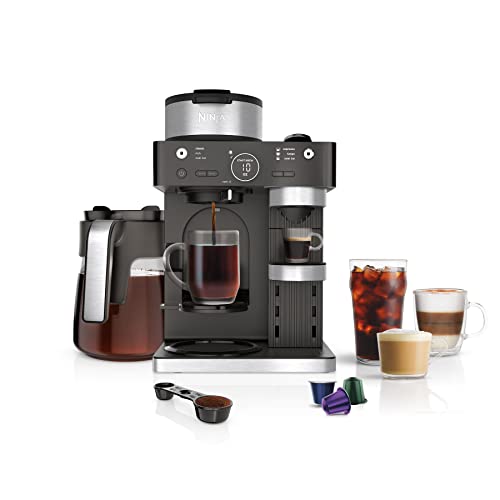
The Ninja Barista System blends automated convenience with advanced brewing modes. It uses a 19‑bar pressure system and Barista Plus technology to optimize temperature and pressure for espresso‑style extraction.
Notable features include three espresso brew styles (Espresso, Lungo, Over Ice), compatibility with espresso capsules, and a built‑in fold‑away frother for cappuccinos and lattes.
Advantages: this system suits users who want versatile single‑serve options and ease of use while retaining the ability to produce espresso‑style drinks and textured milk without separate equipment.
QJA Espresso Machine With Milk Frother

The QJA semi‑automatic espresso maker is an updated model focusing on control and capacity. It features a 20‑bar Italian pump, a 1400W boiler, and a large 57.5oz removable water tank.
User interface: an LED touch screen with programmable brewing time, pre‑impregnation (pre‑infusion) and cold extraction options expands recipe flexibility. The steam wand with removable nozzle aids cleaning and foam consistency.
Ideal for households that prioritize programmable settings, larger water capacity, and straightforward milk steaming while maintaining a compact footprint for counter placement.
Primula Classic Stovetop Moka Pot

The Primula Classic Moka Pot offers a traditional stovetop method for concentrated coffee resembling espresso. Made from cast aluminum, this model produces up to six demitasse servings per brew.
Features include a reusable filter basket, flip‑top lid with heat‑resistant knob, and even heat distribution for consistent extraction. The manual process yields a robust, full‑flavored cup without electricity.
Suitability: this is a durable, low‑maintenance option for those who prefer hands‑on brewing and want a compact, portable solution that works on gas or electric stovetops.
Buying Guide: How To Choose The Right Espresso Or Coffee Maker
Selecting a machine depends on brewing goals, kitchen space, maintenance tolerance, and the types of drinks you enjoy. Below are key considerations and comparison perspectives.
Brewing Method And Drink Types
- Semi‑Automatic Espresso Machines (CASABREWS, QJA): Offer manual control over shot timing and milk texturing. Best for users seeking craft control and café‑style drinks.
- Automatic/Barista Systems (Ninja): Provide presets, single‑serve convenience, and integrated frothers. Good for multi‑drink households and capsule users.
- Stovetop Moka Pots (Primula): Produce concentrated coffee without pumps or electronics. Ideal for travel, simplicity, and those who prefer a ritualistic brew.
Pressure, Temperature, And Extraction
- Bar Pressure Ratings: Many home machines advertise 15–20 bar pumps. Effective extraction depends on pump quality, boiler temperature, and pre‑infusion control rather than pressure number alone.
- Temperature Control: NTC or PID control improves consistency. Machines with temperature regulation and pre‑infusion often yield more balanced shots.
Milk Texture And Frothing
- Steam Wand vs. Built‑In Frother: Steam wands (CASABREWS, Gevi, QJA) allow microfoam control and latte art. Integrated frothers (Ninja) are convenient but may limit advanced frothing technique.
- Look for removable nozzles or easily accessible parts for cleaning to maintain hygiene and performance.
Capacity, Footprint, And Convenience
- Water Tank Size: Larger tanks (QJA) reduce refill frequency, useful for multiple daily drinks or small offices.
- Counter Space: Compact machines or vertical profiles fit small kitchens; stovetop moka pots require minimal storage space.
- Cleaning And Maintenance: Removable drip trays, detachable froth parts, and accessible water tanks simplify upkeep. Consider descaling needs for hard water areas.
Durability And Materials
- Stainless Steel Housing (Gevi, CASABREWS): Offers longevity and a premium look. Aluminum (Primula) is lightweight and conductive but requires gentle care.
- Evaluate warranty, replacement part availability, and brand support for long‑term ownership.
Cost Of Ownership And Use Cases
- Consumables: Ground coffee quality and grind size impact results; capsule compatibility (Ninja) may add convenience but increases per‑cup cost.
- Energy Use: Electric machines and boilers consume power; stovetop pots are efficient when used on gas or induction with short brew cycles.
Comparison Perspectives
- Performance vs. Simplicity: Semi‑automatic machines deliver performance at the cost of a steeper learning curve. Moka pots and barista systems prioritize simplicity.
- Customization vs. Convenience: If recipe control, temperature, and pressure tuning matter, prioritize machines with pre‑infusion and advanced controls. For quick drinks, choose automated systems or capsule‑compatible models.
- Space vs. Capacity: Balance water tank size and footprint against your daily consumption to avoid frequent refills or counter crowding.