Finding the right latte machine blends features like frothing, pressure, capacity, and ease of use. Below is a quick comparison of five selected machines to help you choose. The table summarizes core strengths for quick scanning.
| Product | Brand | Key Strength |
|---|---|---|
| CASABREWS CM5418 Espresso Machine | CASABREWS | 20-bar pressure, compact stainless steel |
| QJA Espresso Machine With Touch Screen | QJA | Touchscreen control, large water tank |
| Ninja Espresso & Coffee Maker CFN601 | Ninja | 19-bar system, capsule compatibility |
| Mr. Coffee Latte Lux | Mr. Coffee | 4-in-1 brew modes, automatic frother |
| Keurig K-Cafe C | Keurig | K-Cup convenience, dishwasher-safe frother |
CASABREWS CM5418 Espresso Machine

The CASABREWS CM5418 is positioned as a compact stainless steel espresso maker for home and office use. It emphasizes a 20-bar professional Italian pump and 1350 W boiler to support extraction pressure and temperature stability. The built-in pressure gauge helps monitor extraction while brewing.
This model includes a steam wand milk frother for textured microfoam suitable for lattes and cappuccinos, and a 34oz removable water tank for multiple servings. The stainless finish targets durability and kitchen aesthetics. Maintenance is simplified by removable components, though user cleaning of the steam wand and portafilter remains necessary.
QJA Espresso Machine With Milk Frother

The QJA unit features a 20-bar Italian pump and a 1400 W boiler for extraction power. Its distinguishing feature is an LED touch screen with programmable brewing time, pre-impregnation (pre-infusion) and cold extraction functions intended to improve extraction consistency.
A 57.5oz removable water tank supports larger households or frequent use. The steam wand includes a removable nozzle for easier cleaning and offers hot water functionality. The model targets users who want configurable controls and straightforward milk frothing for latte art practice.
Ninja Espresso & Coffee Maker CFN601
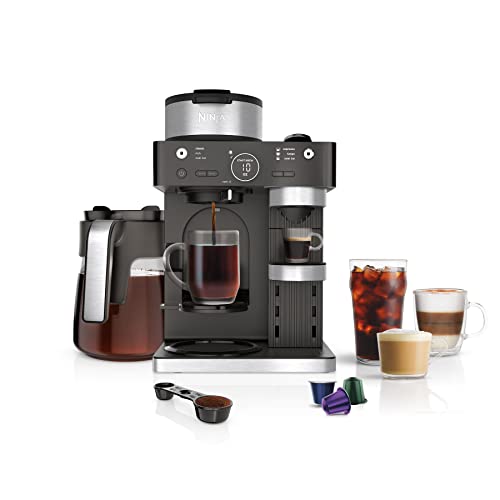
The Ninja CFN601 combines a 19-bar pressure system with a built-in fold-away frother. It supports three espresso styles — Espresso, Lungo, and Over Ice — and is compatible with single-serve espresso capsules for convenience.
Ninja focuses on barista-style texture and crema with its Barista Plus technology, targeting users who want both manual espresso-style drinks and capsule convenience. The fold-away frother stows when not in use and simplifies counter space management.
Mr. Coffee 4-in-1 Latte Lux

The Mr. Coffee Latte Lux prioritizes versatility with four functions: lattes, cappuccinos, iced, and hot coffee. The integrated automatic frother adjusts speed to produce hot or cold foam and aims for consistent texture for milk-based drinks.
This single-serve design with a 22-ounce capacity targets users seeking a compact, multi-format machine with minimal manual frothing. The included measuring system aims to standardize coffee-to-milk ratios. As with similar units, routine cleaning of the frother components is recommended.
Keurig K-Cafe C Single Serve K-Cup
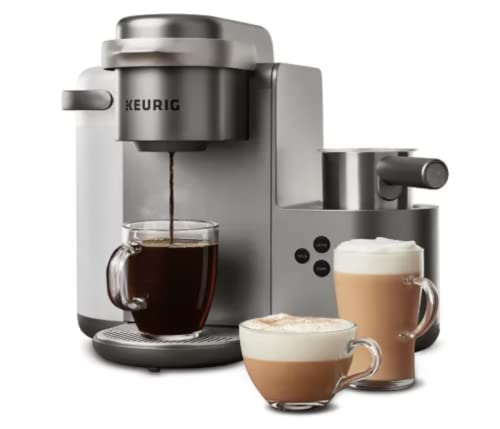
The Keurig K-Cafe C offers K-Cup pod convenience with a built-in frother that is dishwasher-safe. It supports lattes and cappuccinos using any Keurig K-Cup and includes a Strong Brew option to increase intensity.
This model suits users prioritizing speed and low-effort cleanup. The ability to froth various milk types (skim, soy, almond) and a removable frother simplifies maintenance. It doesn’t use a traditional pressurized pump system like some espresso machines but focuses on consistent single-serve results.
Buying Guide: How To Choose A Latte Machine
Selecting the right latte machine depends on brewing method, milk texture goals, kitchen space, and maintenance preferences. Below are key considerations and comparison perspectives to guide a purchase decision.
- Brewing System: Traditional espresso machines use a pressurized pump (18–20 bar) for extraction; pod/capsule systems trade some espresso authenticity for convenience. Choose based on how authentic you want the espresso base to be.
- Frothing Type: Steam wand frothers offer the most control for microfoam and latte art. Automatic or built-in electric frothers simplify operation and cleanup but may limit manual control.
- Temperature And Pressure Control: Consistent water temperature and stable pressure improve extraction. Look for specifications like boiler wattage, pre-infusion, or NTC temperature control for repeatable results.
- Ease Of Use: Touchscreens and programmable settings can streamline routine brewing. Pod compatibility reduces setup time but increases ongoing waste and reliance on proprietary pods.
- Capacity And Water Reservoir: Larger removable tanks reduce refill frequency for multiple users. Single-serve models suit individuals; larger tanks suit households and offices.
- Cleaning And Maintenance: Removable drip trays, detachable frother nozzles, and dishwasher-safe parts lower maintenance time. Consider descaling needs and accessibility of internal parts.
- Counter Space And Build: Stainless steel machines tend to be heavier and more durable; compact designs save counter space but may reduce feature sets.
- Versatility: Some machines offer multiple brew styles (espresso, lungo, iced) and compatibility (ground coffee and capsules). Identify whether you need multi-format capability or a focused espresso setup.
- Noise And Speed: Pump noise and heat-up times vary. If morning speed and noise level are priorities, check user feedback for heat-up performance and pump operation characteristics.
- Value Perspective: Compare initial features with long-term costs (pods, filters, maintenance). Higher-end espresso systems may offer better extraction and longevity; pod systems offer convenience and lower upfront learning curve.
When evaluating models, balance the desire for authentic espresso extraction (pump pressure, temperature control) against the need for convenience and low maintenance (pod compatibility, automatic frothers). Decide which trade-offs align with your routine and coffee preferences.