Choosing The Right Cord for a coffee pot depends on plug type, amperage, length and appliance compatibility. Below is a quick comparison of selected cords that work for drip machines, percolators, electric urns and countertop appliances.
| Product | Type | Length | Plug |
|---|---|---|---|
| FIRMERST 1875W Low Profile Flat Plug | Extension Cord | 2 ft | 2/3-prong (14 AWG) |
| HASMX 6ft Power Cord For Percolator | Percolator Replacement | 6 ft | 2-pin (1/2″ spacing) |
| Queensell 3 Ft Replacement Power Cord | 3-Prong Grounded Cord | 3 ft | 3-prong (16 AWG) |
| Saireed 8ft AC Power Cable | IEC C13 Replacement | 8 ft | C13 To NEMA 5-15 (3-prong) |
| Mity Rain Universal 4 Ft Power Cord | Universal IEC C13 Cord | 4 ft | C13 To NEMA 5-15 (3-prong) |
FIRMERST 1875W Low Profile Flat Plug Cord

This 14 AWG, 15A flat plug extension cord is designed for high-load small appliances. The cord is 2 feet long and rated at 1875 watts, suitable for many coffee makers that draw substantial current. The flat plug profile helps preserve access to stacked wall outlets. The cord’s high temperature resistance (165°F) and thicker conductor reduce heating risk compared with thinner 16 AWG cords. Use this when you need a short, heavy-duty extension to relocate a coffee pot closer to a wall outlet without blocking adjacent sockets.
HASMX 6ft Power Cord For Percolator Coffee Pot

This 6-foot, 2-pin replacement cord is targeted at percolator-style coffee pots with 1/2 inch pin spacing. The cord uses 18 AWG x 2C conductors and is rated for 125V, 10A. It’s compatible with many Hamilton Beach, Farberware, Presto and similar percolators that use the two-pin connector. The product listing emphasizes cross-model compatibility; however, confirm whether your unit uses a 2-pin or 3-pin inlet before purchase, since 3-pin units require a grounded cord.
Queensell 3 Ft Replacement 3-Prong Power Cord

This 3-foot, 3-prong grounded replacement cord is specified as 16 AWG, 15A, 1875W. It’s intended for coffee percolators and small appliances requiring a grounded connection. The thicker 16 AWG construction is noted as more robust than thinner wires, reducing heat build-up under load. Choose this cord if your coffee pot has a three-prong inlet or if you prefer a grounded cord for safety when using metal-bodied coffeepots or electric urns.
Saireed 8ft IEC C13 AC Power Cable

The Saireed cable is an 8-foot IEC C13 to NEMA 5-15 replacement, commonly used on electric percolators and countertop appliances that accept a C13 inlet. Rated at 125V, 10A, 18 AWG, it provides additional reach for devices that use an IEC connection. This cord is useful when the appliance’s detachable cord is missing or when extra distance from the outlet is required. Verify that your coffee pot has an IEC C13 socket before selecting this type.
Mity Rain Universal 4 Ft Power Cord (IEC C13)
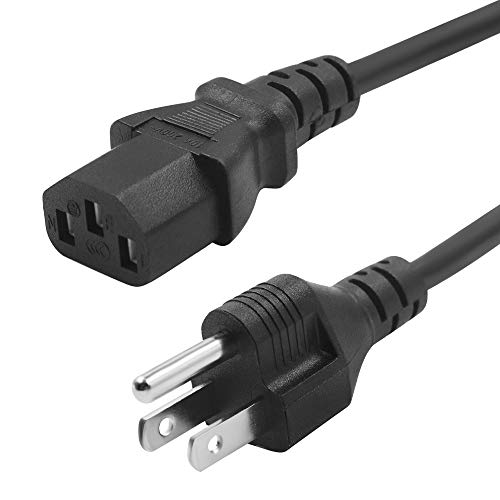
This 4-foot universal IEC C13 cord is UL Listed and designed for a variety of kitchen appliances and electronics. It’s rated at 18 AWG x 3C, 15A, 125V and includes internal protections noted by the manufacturer. The cord suits coffee makers, pressure cookers, and other devices that use the standard C13 inlet. Choose this when you need a shorter IEC replacement with recognized safety listings.
Buying Guide
When selecting a replacement or extension cord for a coffee pot, consider the following key factors to match the cord to your appliance and use case.
Plug Type And Compatibility
- 2-Pin Percolator Plugs: Many classic percolators use a 2-pin connector with specific spacing (commonly 1/2″). Only compatible 2-pin cords will fit these inlets.
- 3-Prong Grounded Plugs: Modern coffee makers and metal-bodied appliances often require a grounded 3-prong cord for safety. Ensure your appliance accepts a grounded cable.
- IEC C13 Inlets: Some countertop appliances use detachable IEC cables (C13). Confirm the inlet shape before buying an IEC replacement.
Wire Gauge, Amperage And Wattage
- Wire Gauge (AWG): Lower AWG numbers mean thicker wire. For coffee pots that draw higher current, 14 AWG or 16 AWG is safer than 18 AWG. Thicker wires reduce heat buildup.
- Amperage Rating: Match or exceed your appliance’s current draw. Typical ratings: 10A, 15A. Choose a cord rated for the appliance’s requirements to avoid overload.
- Wattage: The cord’s wattage rating (e.g., 1875W) should meet or exceed the coffee maker’s maximum power.
Length And Placement
- Keep Length Minimal For Safety: Longer cords increase resistance and potential voltage drop. Use the shortest length that meets your setup.
- Flat Plug Options: Low-profile flat plugs help when outlets are behind furniture or stacked; they also preserve use of adjacent outlets.
Temperature And Insulation
- Heat Resistance: Appliances that run hot or are near heat sources benefit from cords with higher temperature ratings (e.g., 165°F).
- Quality Insulation: Look for cords described as heavy duty, heat resistant, or with thicker jackets for durability.
Safety Certifications And Build
- Certifications: UL, CSA or ETL listings indicate third-party safety testing—prefer listed cords for kitchen appliances.
- Strain Relief And Molded Plugs: Reinforced plugs reduce stress at the connection point and prolong cord life.
Use Case Comparisons
- Short Extension For A Drip Maker Near Outlet: A 2–3 ft heavy-duty extension (14–16 AWG) with a low-profile plug is ideal.
- Replacing A Detachable IEC Cord: Select the proper C13 cable length with the correct amp rating and UL listing.
- Percolators And Urns: Verify pin spacing and whether the appliance expects a 2-pin or 3-prong grounded cord; many vintage models use 2-pin connectors.
- Mobile Or Temporary Setups: For portable coffee stations, choose cords with durable jackets and strain relief to withstand movement.
Installation And Maintenance Tips
- Inspect cords periodically for cuts, frays, or loose connections before use.
- Avoid running cords under rugs or where they can be pinched or stepped on.
- Replace cords with the exact plug and inlet type if the original cord is integral to a safety interlock.