Commercial cold brew systems vary by capacity, filtration, and dispensing style. Below is a concise comparison of five commercial-grade solutions suited for coffee shops, offices, and high-volume venues. The table summarizes key attributes to help you scan options quickly.
| Product | Capacity / Type | Key Feature |
|---|---|---|
| Service Ideas Cold Brew N’ Serv System | 3 Gallon / Dispenser + Brew Basket | All-in-one sanitary brewing and dispensing |
| Madesco 5 Gallon Cold-Brew Brewer/Dispenser | 5 Gallon / Reusable Filter System | Reusable lined filter, wide 12″ design |
| Toddy 5 Gallon Cold Brew System With Lift | 5 Gallon / Commercial System | Patented lift and tree-free filters |
| Toddy® Cold Brew System | Commercial Size Options | Established brand cold-brew method |
| TezPak Commercial Cold Brew Filters (50 Pack) | Filter Sheets (20″ x 20″) | Seamless, high GSM commercial filters |
Service Ideas Cold Brew N’ Serv System

This 3-gallon stainless steel system combines brewing and dispensing. The included brew basket converts a cold beverage dispenser into a cold brew coffee maker and dispenser, enabling a contained brew process that drains directly into the dispenser. The design emphasizes sanitary, mess-free operation and efficient drainage to minimize spills and counter cleanup. For venues that already use countertop dispensers, this system integrates with existing beverage dispensers to streamline batch brewing and service flow. The stainless construction supports frequent commercial use and cleaning protocols.
Madesco 5 Gallon Cold-Brew Brewer/Dispenser

This 5-gallon brewer emphasizes reusable, lined filters that replace the recurring cost of disposable paper filters. The natural cotton blend filter is designed to be durable, withstand repeated use, and reduce fine grounds in the finished brew. The 12-inch filter width is engineered to keep grounds within 3 inches of surrounding water for consistent extraction. The package includes instructional resources and recipe books to support consistent commercial brewing protocols. The system targets operations seeking lower ongoing filter cost and robust filtration control.
Toddy 5 Gallon Cold Brew System With Lift

This commercial brewing system includes a 5-gallon dispenser, a patented lift for filter removal, and both tree-free and paper filters. The package supports batch brewing for high-volume environments, with concentrate that can remain fresh up to two weeks if stored properly. The system is suitable for producing both coffee and tea concentrates. The lift component reduces manual handling of wet filters and grounds, improving sanitary handling during disposal and reducing staff time for cleaning and turnover.
Toddy® Cold Brew System

The Toddy brand cold brew system represents a longstanding commercial method focused on consistent low-acidity extraction. The system typically uses coarse grounds, long steep times, and filters designed to reduce oils and bitterness. Commercial operators select Toddy systems for reliability and established extraction profiles that scale well for batch production. The Toddy kit’s modular parts are compatible with common commercial cleaning and sanitizing workflows, supporting food service hygiene standards.
TezPak Commercial Cold Brew Filters (50 Pack)
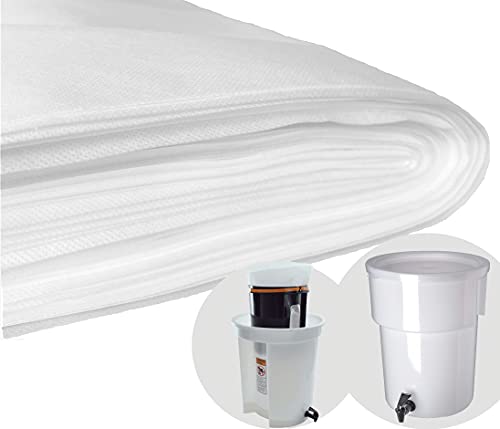
These 20″ x 20″ seamless commercial filter sheets are designed for large-format cold brew systems and 5-gallon brewers. The filters are specified as high GSM paper weight, intended to trap impurities, oils, and bitter elements while resisting ripping when wet. Each sheet can handle up to five pounds of ground coffee per brew cycle. Purchasing filter packs supports consistent extraction and reduces downtime from torn filters. These filters suit operations prioritizing high-throughput filtration reliability and simplified disposal logistics.
Buying Guide: Choosing A Commercial Cold Brew Coffee Maker
This buying guide covers the main factors to evaluate when selecting a commercial cold brew system, comparing capacity, filtration, sanitation, workflow integration, and cost implications.
Capacity And Throughput
Batch Size: Match system capacity to daily demand. Small cafes may prefer 3-gallon units; larger shops or catering services typically require 5-gallon or larger systems.
Production Frequency: Consider how often you can brew and how long concentrate will hold. Systems that allow concentrate storage up to two weeks reduce brewing frequency but require proper cold storage.
Filtration Method
Reusable vs. Disposable Filters: Reusable cotton or nylon filters reduce ongoing supply costs but require cleaning and handling. Disposable paper or high-GSM commercial filters simplify cleanup and can improve consistency.
Filter Size And Thickness: Larger, thicker filters capture more oils and fines, producing a clearer cup but may slow drainage. Choose based on desired flavor clarity and throughput needs.
Sanitation And Handling
Ease Of Cleaning: Stainless steel components and removable brewbaskets support efficient cleaning. Systems with lifts or contained baskets reduce direct handling of spent grounds.
Sanitary Design: Look for features that minimize contact with brewed concentrate, such as direct-drain baskets and covered dispensers, to align with food safety protocols.
Dispensing And Integration
Built-In Dispensers: Systems that brew directly into a dispenser streamline service. Evaluate spigot durability and flow rate for high-volume service.
Nitro Or Keg Integration: For nitro cold brew, select systems compatible with kegs and gas cartridges. Nitro adds a different mouthfeel and requires gas handling procedures.
Durability And Materials
Construction: Commercial environments benefit from stainless steel or heavy-duty plastics rated for foodservice. Assess welds, seals, and spigot robustness for daily use.
Filter Durability: Reusable filters should withstand repeated wetting and cleaning cycles. Disposable commercial filters should resist tearing when wet.
Operational Costs And Supplies
Consumables: Account for filters, gas cartridges (for nitro), cleaning chemicals, and replacement spigots. Lifetime cost can favor reusable filters if labor and cleaning equipment are available.
Labor Impact: Systems requiring hands-on cleaning increase labor time. Lifts, baskets, and easy-dispose filters reduce handling time and staffing burden.
Flavor Profile And Extraction Control
Extraction Consistency: Choose systems that support repeatable brew ratios and steep times. Filter type and brew contact influence body, clarity, and acidity.
Concentrate Strength: Commercial systems often produce concentrate for dilution at the point of service. Ensure the system supports your target concentrate-to-water ratios for consistent beverage quality.
Space, Workflow, And Storage
Footprint: Measure counter and storage space. Larger brewers and kegs require dedicated refrigeration and service counters.
Storage Of Concentrate: If concentrate will be stored, ensure refrigeration capacity and labeling procedures to maintain freshness and traceability.
Regulatory And Safety Considerations
Food Safety: Choose equipment that meets local health code expectations. Use materials rated for food contact and follow cleaning schedules.
Gas Handling: Nitro or N2O systems require staff training and secure cartridge storage. Follow manufacturer safety instructions for pressurized systems.
Use the comparisons above to match system features with your cafe’s volume, staffing model, and desired coffee profile. Prioritize sanitation, filtration reliability, and integration with service workflows to maintain consistent quality and efficient operations.