Best Electric Syphon Coffee Maker and Top Siphon Brewers
The following guide compares popular syphon (siphon) coffee makers and one purpose-built electric vacuum brewer so you can evaluate design, materials, and brewing style. The table below summarizes the five featured models for quick reference.
This model is a purpose-built electric vacuum syphon brewer that automates the heating and vacuum cycle. Features listed include precise temperature control, a heat-resistant borosilicate glass funnel to observe the vacuum process, and a durable BPA-free Tritan jug. The automation removes the need for a separate heat source and simplifies timing and temperature management.
Use cases: Suitable for users seeking the visual siphon experience with the convenience of electric controls. Material considerations include the hybrid use of glass and Tritan for durability.
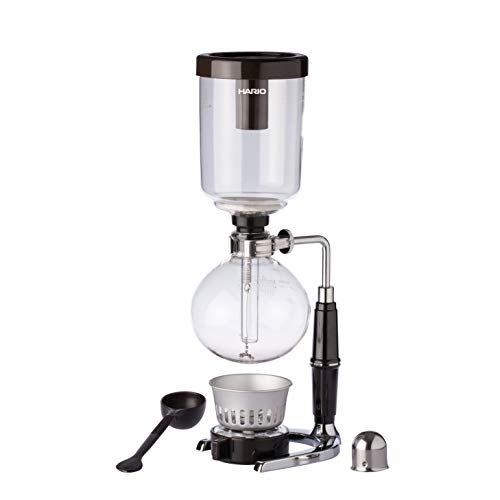
The Hario Technica is a classic stovetop syphon constructed from Hario’s proprietary heat-resistant borosilicate glass. Its upper bowl, lower bowl and burner are glass; stand, burner cover, and filter are stainless steel. The design emphasizes thermal stability and minimal material interaction with coffee.
Use cases: Best for users who appreciate traditional siphon brewing with a halogen or alcohol burner. The glass construction makes brewing visible, and the included stainless-steel filter system simplifies cleanup relative to cloth filters.
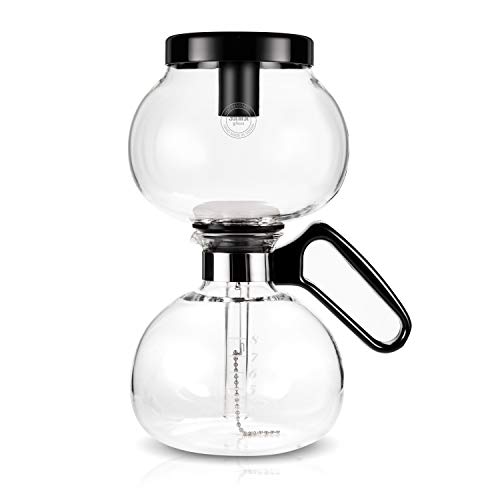
Yama’s 8-cup siphon focuses on craftsmanship and presentation. Made from durable borosilicate glass, it ships with a reusable cloth filter and a measuring spoon. The cloth filter can produce a clean, full-bodied cup while retaining more oils than metal filters.
Use cases: Ideal for entertaining or pour-over enthusiasts who value the ceremonial aspect of siphon brewing. The cloth filter requires care and occasional replacement, but contributes to clarity and mouthfeel.
YUCHENGTECH Syphon Coffee Maker Tabletop Glass Siphon Pot
The YUCHENGTECH tabletop siphon emphasizes material resilience with upper and lower pots made of high-temperature resistant borosilicate glass able to withstand wide temperature differences. The design pairs with multiple heat sources including alcohol lamps, halogen burners, and gas stoves.
Practical notes: The product provides usage tips to ensure a tight seal and stable operation. Its compatibility with various heat sources makes it versatile for those without a dedicated siphon burner.
Amarine 5-Cup Tabletop Siphon Coffee Maker With Alcohol Burner
Amarine’s 5-cup siphon includes an alcohol burner and a heat-resistant glass assembly. The unit is described as easy to use and provides consistent heat for vacuum extraction. Its 16-ounce capacity is geared to small groups or home brewing.
Use cases: Recommended when you want a compact tabletop siphon with an included burner for immediate use. The alcohol burner supports the theatrical brewing method and requires safe handling and ventilation.
Buying Guide: Choosing A Syphon Or Electric Vacuum Coffee Maker
This guide highlights factors to weigh when selecting a syphon or electric vacuum brewer. Consider each point relative to your brewing frequency, setup preferences, and maintenance tolerance.
Brewing Style And Convenience
Electric Vacuum Brewers (e.g., Bodum ePebo) automate temperature and timing, reducing hands-on management and offering consistent results.
Stovetop Or Tabletop Siphons require manual heating (alcohol, gas, halogen) and provide more control over the thermal profile and brewing pace.
Capacity And Intended Use
Choose capacity based on typical servings: Single-serve or 3-cup units fit solo drinkers; 5–8 cup models suit families or small gatherings.
Electric models often scale larger and simplify serving multiple cups in one cycle.
Materials And Durability
Borosilicate Glass is common for both upper and lower chambers due to thermal shock resistance and neutral flavor interaction.
Tritan And Plastic Components can add durability for jugs or bases but review BPA-free designations for food safety.
Metal Stands And Filters (stainless steel) increase longevity and ease of cleaning compared to cloth filters.
Filter Type And Cup Characteristics
Cloth Filters produce a cleaner cup with retained oils, but require washing and replacement over time.
Metal Filters are low maintenance but permit more fine particles and oils, creating a heavier body.
Consider how filter choice matches your preferred mouthfeel—clean/bright versus full-bodied.
Heat Source Compatibility
Ensure the siphon you choose supports your preferred heat source: alcohol burner, gas stove, halogen or electric base.
Electric siphons remove external heat requirements but check wattage and temperature range to match brewing goals.
Cleaning And Maintenance
Glass components typically clean with warm water and mild detergent; follow manufacturer guidance for filter care.
Cloth filter maintenance includes rinsing, air drying, and periodic replacement. Metal filters and stainless parts are dishwasher-tolerant in many cases.
Visual Design And Presentation
Syphon brewing is often chosen for visual theater. Consider display aesthetics if you entertain guests or want a centerpiece brewer.
Balance siphons and copper-accented units offer decorative appeal, while transparent borosilicate highlights the brewing process.
Safety And Practical Considerations
Alcohol burners need safe handling and good ventilation; keep flammable materials away and use on stable surfaces.
Electric models should have overheat protection and stable jugs or bases to minimize risk during operation.
Check for included instructions and replacement parts availability (filters, gaskets, burners).
Comparison Perspectives
Performance Perspective: Electric models offer repeatability; manual siphons offer nuanced control of extraction.
Maintenance Perspective: Metal-filtered and electric units generally require less ongoing filter care than cloth-filtered siphons.
Cost Of Ownership: Factor in replacement cloth filters, burner fuel, and any fragile-glass replacement likelihood.