Choosing an energy efficient coffee maker can lower electricity use while delivering consistent coffee. Below is a quick comparison of selected models that balance brew quality with energy-saving design, then detailed product sections and a buying guide to help you decide.
| Model | Type | Energy-Saving Feature |
|---|---|---|
| OXO Brew 8-Cup Coffee Maker | Thermal Carafe / Single-Serve | Stainless thermal carafe reduces need for warming plate |
| Keurig K-Classic | Single-Serve Pod Brewer | Large reservoir reduces frequent reheating; auto-off (model dependent) |
| Ninja 12-Cup Programmable Brewer | Multi-Style Drip Brewer | Temperature control and programmable scheduling |
| Elite Gourmet Personal Single-Serve | Compact Single-Serve | Low-wattage 600W design for quick, efficient brews |
| Cuisinart 14-Cup PerfecTemp | Programmable Drip Brewer | Adjustable warming plate temp and auto-off features |
OXO Brew 8-Cup Coffee Maker

The OXO Brew 8-Cup combines a thermal stainless carafe and SCA certification geared toward consistent extraction. The thermal carafe retains heat without a continuous warming plate, which reduces standby energy use compared with hot-plate machines.
Key features include the Rainmaker shower head for even water distribution, a removable well cover to accommodate tall mugs, and the ability to brew either by cup or carafe. These features target efficient extraction and minimized reheating cycles.
For users prioritizing heat retention with minimal energy draw after brewing, the thermal design is a strong energy-focused attribute. Consider routine descaling and using the single-serve option for smaller needs to further limit waste.
Keurig K-Classic Single Serve

The Keurig K-Classic is a widely used single-serve brewer with a 48-ounce removable reservoir that reduces the number of refill cycles. Less frequent refilling can translate to fewer heat-up cycles and lower overall energy use for multiple daily brews.
It supports three brew sizes (6, 8, 10 ounces) to match serving needs; using smaller sizes reduces water heated per brew. The product notes emphasize proper grind size and tamping for espresso-style extraction when applicable, but for pod use this is less relevant.
Efficiency notes: single-serve machines heat quickly for short intervals. For energy-conscious users, combining the reservoir capacity with timed usage and turning the unit off between uses reduces standby consumption.
Ninja 12-Cup Programmable Coffee Brewer
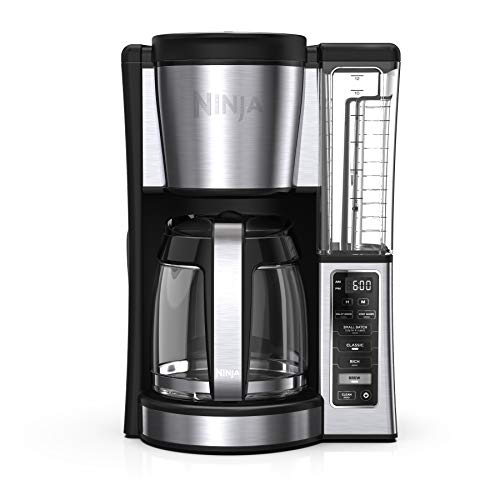
The Ninja 12-Cup brewer offers programmability and hotter brewing technology to optimize extraction without relying on long warming plate cycles. The programmable delay brew and adjustable warm plate let users schedule brewing and minimize the time the warming plate remains active.
Two brew styles (Classic and Rich) and a 60-ounce reservoir let you tailor batch size and strength. The machine’s temperature control aims to reach ideal extraction temps quickly, reducing wasted energy from prolonged heating.
For households that brew larger batches, using the programmable schedule to prepare coffee when needed and setting the warm plate to a lower setting will reduce energy usage compared to leaving a hot plate on continuously.
Elite Gourmet EHC111A Personal Single-Serve

The Elite Gourmet personal brewer is a compact, 600-watt single-serve unit designed for fast brews. Lower wattage and short brew cycles typically consume less energy per cup than larger drip machines with long warm plates.
Features include single-touch operation, quick brew times under 60 seconds, and an included 12 oz stainless travel mug. The unit’s compact footprint means minimal thermal mass to heat, which contributes to efficient energy use for single-cup preparation.
This model is suitable when you want one cup quickly and want to minimize energy per cup. Keep in mind the trade-off between single-serve convenience and pod vs. grounds choices, which affect waste rather than energy directly.
Cuisinart 14-Cup PerfecTemp

The Cuisinart 14-Cup PerfecTemp optimizes energy use with an adjustable carafe temperature setting and programmable auto-off. Adjusting the warming plate to Low, Medium, or High allows users to limit continuous heating based on how long coffee needs to remain warm.
Additional features include brew strength control, 24-hour programmability, and a 1-4 cup setting to avoid unnecessary heating for smaller batches. These controls support energy-conscious operation by avoiding over-warming and enabling timed brewing.
For larger households needing batch brewing, the PerfecTemp’s programmable functions and auto-off settings provide clear levers to reduce energy consumption versus always-on warming plates.
Buying Guide: How To Choose An Energy Efficient Coffee Maker
Selecting the right machine depends on use patterns, household size, and priorities such as flavor, speed, and energy savings. Below are factors to compare objectively.
Brewer Type And Energy Profile
- Thermal Carafe Models (e.g., OXO): Retain heat without a warming plate, lowering standby power after brewing.
- Hot-Plate Drip Machines (e.g., many 12–14 cup brewers): Consume energy to maintain temperature; look for adjustable plate settings and auto-off.
- Single-Serve Brewers (Keurig, compact units): Heat quickly for short periods; overall energy use depends on number of single brews per day.
Programmability And Scheduling
- Delay Brew/Program Timers allow the machine to brew only when needed, eliminating long idle heating.
- Auto-Off reduces standby consumption; confirm the auto-off interval and whether it is adjustable.
Capacity And Household Needs
- Choose capacity to match daily volume: frequent single cups favor low-wattage single-serve units.
- Larger families benefit from batch brewers but should pick machines with efficient heat retention or programmable warming plate control.
Heat Retention vs. Reheating
- Thermal Carafes avoid reheating and are efficient if coffee is kept for extended periods.
- If you prefer freshly brewed cups spaced throughout the day, a single-serve or using brew-on-demand reduces energy wasted keeping coffee hot.
Operational Habits That Affect Energy Use
- Turn off or unplug machines when not in use to reduce phantom draw.
- Use the appropriate brew size or cup setting to avoid heating excess water.
- Regular maintenance (descaling) improves thermal efficiency and reduces extra heating time.
Measurement Perspectives For Comparison
- Energy Per Cup: Consider wattage and brew time—lower wattage and quicker cycles typically use less energy for single cups.
- Idle/Standby Power: Machines with active warming plates or electronics may draw power when idle; auto-off and thermal carafes reduce this.
- Total Daily Use: Estimate daily cycles and factor reservoir size—larger reservoirs can cut heat-up frequency for successive brews.
Use these considerations to compare models: match the brewer type to your routine, prefer thermal retention or programmable auto-off to limit continuous heating, and adopt habits that minimize unnecessary reheating.