Home roasting is an accessible way to control freshness and flavor. Below is a concise comparison of five entry-level coffee roasters chosen for ease of use, capacity, and beginner-friendly features.
| Roaster | Capacity / Style | Key Feature |
|---|---|---|
| Fresh Roast SR540 | ~120 g / Convection | Digital display, variable heat |
| Fresh Roast SR800 Bundle | 6–8 oz / System bundle | Complete kit: roaster + cooler |
| Nuvo Eco Ceramic Handy | Small batch / Manual ceramic | Ceramic body, even heating |
| 1Pound Electric Coffee Roaster | ~1 lb / Electric drum | Automatic/manual modes + smoke filter |
| MAGO MAGA Smart Home Roaster | 300 g / Digital | Auto/manual, digital display |
Fresh Roast SR540 Automatic Coffee Bean Roaster

The Fresh Roast SR540 is designed for users moving from curiosity to regular home roasting. It supports up to 120 grams (4 scoops) per roast and uses a convection fan for consistent heat distribution. The unit offers nine power settings and a real-time temperature display, enabling beginners to follow basic profiles while allowing adjustments for experimentation.
Key practical points: it roasts quickly (single-digit minutes), works with many bean types including espresso, and emphasizes freshness retention. The interface is straightforward, and the unit’s capacity suits small households or trial batches. Users seeking precise thermocouple-style profiling will find limitations, but for entry-level control and repeatable results, it’s a common choice.
Fresh Roast SR800 Roaster Bundle With Cooler

The SR800 bundle expands the basic roaster into a small system by including a glass extension tube, bean cooler, sample green beans, and trays. The SR800 roaster targets controlled small-batch roasting (6–8 oz), improving heat distribution with the extension tube and speeding post-roast cooling with the included cooler.
This bundle emphasizes a complete workflow: roast, then cool quickly to halt development. For beginners who want an all-in-one approach and less accessory hunting, the bundle reduces setup friction. The included cooler helps preserve flavor by preventing residual heat from pushing roasts darker after removal from the drum.
Nuvo Eco Ceramic Handy Coffee Bean Roaster
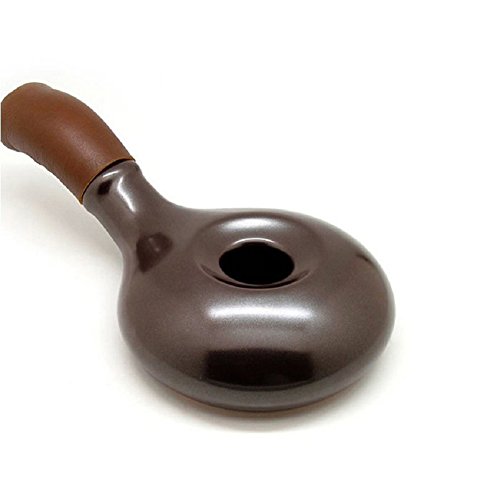
The Nuvo Eco Ceramic is a manual, small-batch roaster constructed from 100% ceramic with an internal waffle texture for more uniform heat transfer. Its simplicity makes it attractive to users who prefer tactile control and low-tech methods.
Advantages include even heating from ceramic mass and a compact footprint. It requires manual rotation/agitation and attention to color and aroma for roast development. This model is suited to hobbyists wanting a low-cost, low-maintenance route into home roasting without electronics or forced-air systems.
1Pound Electric Coffee Roaster With Smoke Filter

This electric roaster supports multiple modes (automatic, assisted, manual) and targets users who want flexibility in development control. It includes a smoke filter and vent pipe, which helps reduce indoor smoke for light roasts and makes indoor use more feasible.
The design addresses different skill levels: beginners can use automated programs while more experienced home roasters can tweak manual parameters. The ~1 pound capacity suits households that consume larger weekly amounts. The added ventilation hardware is a practical feature for apartment or kitchen use, though ventilation effectiveness varies with setup.
MAGO MAGA Smart Home Coffee Bean Roaster

The MAGO MAGA combines a digital display with automatic and manual modes and claims a 300 g capacity. The unit’s smart features are designed for consistent results and simplified repeatability, with timer functions and programmable profiles.
For entry-level roasters who value data and repeatability, the digital readouts and auto-cycles reduce guesswork. The product also emphasizes chaff collection and low-smoke operation, focusing on cleaner indoor use. Users looking to develop roast profiles incrementally will find the manual options useful while relying on auto modes for fast, predictable batches.
Buying Guide For Entry Level Coffee Roasters
This guide covers core factors to evaluate when choosing an entry-level coffee roaster. Compare functional trade-offs to match your space, consumption, and learning goals.
Capacity And Batch Size
Consider how much roasted coffee you’ll use between sessions. Small roasters (100–300 g) are ideal for a household that roasts frequently in single-batch amounts. Larger capacities (~1 lb) reduce roast frequency but require more storage and may be harder to cool quickly.
Roaster Type: Convection, Drum, Or Manual
- Convection/Hot-Air (e.g., Fresh Roast SR540): faster, more even heating, good for quick learning curves.
- Drum: more conductive heat, often used for traditional profile control; may suit users seeking familiar commercial-style development.
- Manual/Ceramic (e.g., Nuvo): low-tech, tactile control; requires practice to gauge color and aroma.
Control And Feedback
Digital displays, timers, and variable heat settings provide reproducibility. Beginners benefit from simple presets and clear readouts, while intermediate users may want manual control for profiling. Thermocouples and visible temperature data aid consistency.
Smoke, Ventilation, And Chaff Handling
Indoor roasting generates smoke and chaff. Look for smoke filters, venting options, and easy-to-clean chaff collectors. Apartments or shared spaces should prioritize low-smoke models or plan for ventilation to the outdoors.
Ease Of Use And Cleaning
Removable trays, accessible chaff drawers, and straightforward controls reduce maintenance time. Bundles with coolers or trays can simplify the post-roast workflow and improve flavor by halting roast development quickly.
Learning Curve And Support
Entry-level roasters range from plug-and-play to fully manual. Choose a roaster with community resources, manufacturer documentation, or included guides if you prefer structured learning. Bundles and models with presets help new users achieve repeatable results faster.
Durability And Build Materials
Stainless steel and ceramic components provide longevity and heat stability. Motors and fans affect noise and lifespan; look for solid construction in drum or rotating elements for consistent agitation.
Comparison Perspectives
- Budget vs. Performance: Manual ceramic roasters are low-cost but require skill; digital convection roasters cost more but provide consistency.
- Speed vs. Control: Fast hot-air roasters shorten roast time but may limit complex profile development compared to drum styles.
- Home Use vs. Small Batch Production: If you roast daily or for a household, larger capacity or bundles with coolers may be more efficient.
When selecting an entry-level roaster, prioritize the features that most directly address your constraints: space, ventilation, desired batch size, and how much control you want while learning. Objective comparison of capacity, control interfaces, and ventilation features will help match a roaster to your home setup and roasting goals.