Finding a reliable one-group espresso machine means balancing pressure, temperature control, and ease of use for consistent shots. Below is a short summary of five well-matched machines for home or small-shop use, followed by focused product breakdowns and a practical buying guide.
| Product | Key Feature | Best For |
|---|---|---|
| Gevi Commercial 20 Bar Espresso Machine | 20-bar pump, pre-infusion, temp control | Flavor extraction and steam power |
| Ninja Luxe Café Premier Series ES601 | Integrated grinder, Barista Assist | All-in-one convenience and guided brewing |
| Acaspresso Auto Distribute & Tamp Machine | Auto grind, distribute, tamp | Consistent dosing and beginner-friendly use |
| Ninja Espresso & Coffee Maker CFN601 | 19-bar pressure, fold-away frother | Capsule compatibility and versatile espresso styles |
| XIXUBX 3.5 Bar Espresso & Cappuccino Machine | Compact design, adjustable steam wand | Space-saving counter option |
Gevi Commercial 20 Bar Espresso Machine

The Gevi unit emphasizes optimal flavor extraction with a 20-bar pump, NTC temperature control, and a pressure gauge. The inclusion of a pre-infusion feature and removable froth nozzle supports controlled extraction and easier cleaning.
Key technical highlights include a stainless steel housing for durability, a powerful steam system for microfoam, and compact dimensions for countertop placement. This model targets users who prioritize temperature stability and steam performance.
Maintenance considerations: the removable froth nozzle simplifies daily cleaning. The pressure gauge provides a visual reference for pump performance during use. Suitable for those wanting a feature-rich machine with a commercial-style pump in a compact footprint.
Ninja Luxe Café Premier Series ES601

The Ninja ES601 combines espresso, drip, and cold brew functionality in a single machine and features an integrated conical burr grinder with 25 settings. Barista Assist Technology provides grind, dosing, and brew adjustments to help dial in flavor.
The machine offers two espresso shot profiles and multiple drink sizes, making it flexible for varied beverage preferences. The integrated grinder reduces the need for a separate grinder while weight-based dosing improves consistency.
Considerations include footprint and the learning curve for Barista Assist settings. This model suits users who want a multi-function center machine and guided brewing assistance rather than a traditional commercial one-group setup.
Auto Distribute & Tamp Espresso Machine By Acaspresso

Acaspresso focuses on automation of the routine steps with an integrated system that grinds, distributes, and tamps in one action. The smart dosing system adjusts grind dose for consistent puck quality.
The machine uses a 15-bar Italian pump and manages pre-infusion to steady pressure toward an optimal 9-bar extraction phase. This promotes even extraction and reduces user variability.
For buyers prioritizing consistent puck preparation and minimal manual tamping, this model reduces technique dependency. Consider water reservoir size and serviceability when comparing to traditional one-group machines.
Ninja Espresso & Coffee Maker CFN601
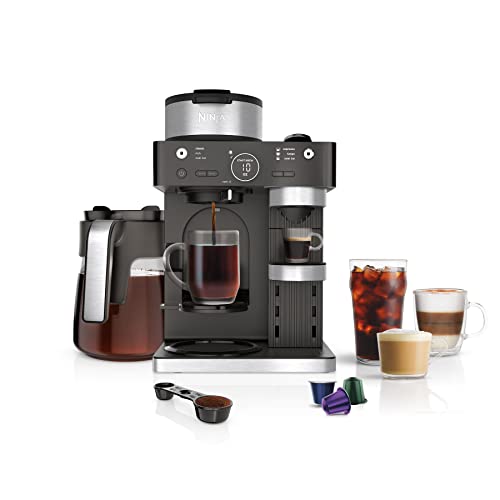
The Ninja CFN601 features Barista Plus Technology with a 19-bar pressure system and a built-in fold-away frother. It supports espresso capsules and offers multiple espresso brew styles including over-ice options.
The system is tailored for users who want capsule convenience combined with a robust steam system for milk drinks. The fold-away frother improves countertop storage and simplifies cleaning routines.
Practical trade-offs include capsule compatibility vs. full-portafilter flexibility. The CFN601 is a fit for users who value convenience and variety of drink styles in a compact machine.
XIXUBX 3.5 Bar Espresso & Cappuccino Machine

The XIXUBX model is an ultra-compact option offering fast heating with an 800W system and an adjustable steam wand. At roughly 8.3″D x 6″W x 11.8″H it is designed for tight counter spaces.
While this unit lists a 3.5-bar pressure spec, its strengths lie in quick brewing cycles, a compact footprint, and a safety lock feature. The steam wand includes a short heat-resistant tube and a red pin tool for unclogging.
This machine is suited to users prioritizing space efficiency and simple milk-based drink capability. For those seeking higher pressure extraction, consider models with dedicated pumps and pressure control.
Buying Guide: Choosing The Right One-Group Espresso Machine
When selecting a one-group espresso machine, consider these primary factors to match features with intended use and environment.
1. Extraction Pressure And Pump Type
- Vibratory pumps and rotary pumps influence consistency and noise. Higher nominal bars (e.g., 15–20) often signal strong steam and extraction potential, but stable pressure and proper pre-infusion matter most for shot quality.
2. Temperature Control And Boiler
- Look for machines with NTC or PID temperature control for consistent brew temperature. Single-boiler systems may require wait time between steaming and brewing; heat exchange or dual boilers reduce this compromise.
3. Grinder Integration Versus Separate Grinder
- Integrated grinders add convenience and reduce bench clutter, but external dedicated burr grinders often deliver superior consistency and easier maintenance.
4. Automation And Workflow Features
- Auto-tamping, dosing, and distributers reduce user error and speed up service. Consider automation if multiple users or high throughput are expected.
5. Steam Power And Frothing Ability
- Check steam wand power, milk texturing capabilities, and removable nozzles for cleaning. Professional steam systems shorten frothing time and create microfoam more consistently.
6. Size, Build, And Serviceability
- Stainless steel construction improves durability. Ensure access to service parts and routine maintenance components like gaskets, filters, and valves.
7. Ease Of Cleaning And Maintenance
- Removable components, backflush compatibility, and available cleaning tablets or brushes improve hygiene and long-term performance. Consider models that provide straightforward descaling and group-head access.
8. Use Case Comparison
- Home Enthusiast: Balance between features and footprint—PID control, good steam, manageable maintenance.
- Beginner/Convenience Seeker: Integrated grinders and automation reduce setup time and variability.
- Small Café/Light Commercial: Prefer robust pumps (rotary or heavy-duty vibratory), serviceability, and steam power for sustained output.
9. Budget And Long-Term Cost
- Factor expected maintenance, replacement parts availability, and warranty terms. Automated features can reduce labor time but may increase repair complexity.
Compare machines across these perspectives: technical extraction specs, workflow automation, footprint, and maintenance. Prioritize the combination that best fits your daily usage and skill level.