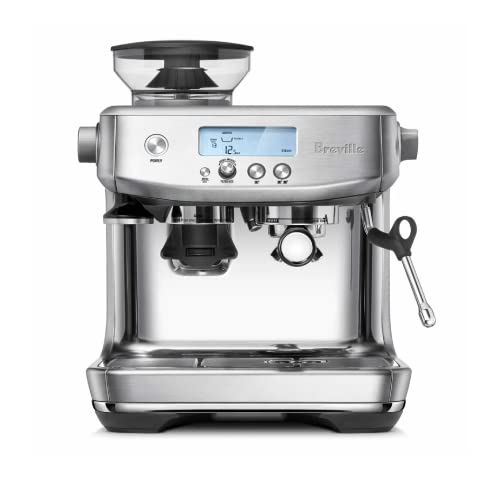
The guide below highlights top espresso machines that include a display or screen for programmable controls, temperature readouts, or user prompts. The summary table lists the selected models and their standout screen-related features to help you compare at a glance.
Model
Brand
Screen Feature
HIBREW H10B
HIBREW
Intelligent Display Screen with temperature & cup volume controls
Breville Barista Touch
Breville
Touchscreen with one-touch recipes and dose control
Breville Barista Pro
Breville
Clear LCD showing grind, shot timers and settings
Breville Barista Express
Breville
Simple Display/Indicators with dose control and pressure feedback
Breville BES870XL (Barista Express)
Breville
Integrated Controls and pressure-based extraction guidance
This HIBREW model emphasizes a digital display that shows extraction temperature, pre-infusion time, and cup volume settings. The screen is central to the programmable features that let the user adjust single cup (25–150ml) and double cup (50–300ml) volumes.
Key technical notes from the listing: the machine supports up to 20 bar pressure, uses pre-infusion technology, and offers temperature ranges for hot extraction (194°F–204°F) plus steam temperature control. The display also allows conversion between ℃ and ℉.
For users focused on precision extraction, the HIBREW screen-driven controls make repeated settings and small adjustments accessible without manual guesswork. The brushed stainless steel body is noted for durability and easy cleaning.
The Barista Touch integrates a color touchscreen that simplifies one-touch recipes and adjustments for grind dose, milk texture, and shot volume. The screen-driven interface automates many steps for consistent results.
According to the product features, the machine includes an integrated conical burr grinder with dose control, and low-pressure pre-infusion for even extraction. The touchscreen guides users through dosing and extraction which is useful for newcomers and experienced users alike.
The screen reduces reliance on manual gauges and makes it easier to switch between presets. Users seeking speed and repeatability will find the Touch’s display-centric workflow helpful for quick beverage preparation.
The Barista Pro features an LCD display that shows grinder settings, shot time, temperature status, and prompts during operation. The display aims to bridge manual control with guided feedback for improved consistency.
Listing highlights include an integrated precision conical burr grinder and optimized low-pressure pre-infusion to draw balanced flavors. The display provides real-time readouts to help calibrate grind size and shot timing.
For buyers who want a balance between manual flexibility and digital feedback, the Pro’s display offers actionable data without a full-touchscreen complexity, aiding in iterative tuning of shots and grind settings.
The Barista Express is known for its integrated grinder and straightforward controls. While it does not have a large color screen like other models, it offers clear visual indicators and pressure feedback that inform extraction technique.
Product features emphasize dose control grinding, on-demand grinding to the portafilter, and low-pressure pre-infusion for even extraction. The machine provides tactile and visual cues useful for dialing in shots.
This model is relevant to shoppers who prefer direct control with some digital assistance rather than a full touchscreen interface, combining reliable mechanics with helpful feedback for consistent espresso.
Breville Barista Series: Barista Express / Related Models
Breville’s Barista Series (Express, Pro, Touch) centers on delivering specialty coffee at home through the “4 keys” approach: dose, grind, water, and extraction. The series spans from indicator-driven units to full touchscreen machines.
Common features across the series include integrated grinders, low-pressure pre-infusion, and designs that guide users through extraction. Differences mainly lie in the interface: from basic indicators to LCDs and touchscreens that automate recipe functions.
For buyers comparing models, the series demonstrates how display complexity impacts workflow: more advanced screens add automation and guided steps while simpler displays retain manual tuning options.
Buying Guide: Choosing An Espresso Machine With A Screen
This Buying Guide covers the most relevant considerations when selecting an espresso machine with a display or screen. It compares usability, control, maintenance, and performance perspectives.
Screen Type And Usability: Decide between a touchscreen for recipe-driven, automated workflows and a simple LCD/indicator for readouts and status information. Touchscreens are quicker for one-touch drinks; LCDs favor tactile control and quicker manual adjustment.
Programmability And Presets: Look for machines that let you program shot volumes, temperatures, and pre-infusion times. If you prefer consistent results with minimal fine-tuning, a machine with robust presets and clear screen prompts will be advantageous.
Grinder Integration: Integrated grinders paired with a display simplify grind-to-cup workflows. Check whether the display shows grind/dose info or just extraction timing. Integrated dose control reduces guesswork when matching grind to espresso recipes.
Extraction Control And Feedback: A useful screen provides real-time feedback such as shot timers, pressure indicators, or temperature readouts. This data helps troubleshoot under- or over-extraction and refine your variables for better shots.
Build And Cleaning Considerations: Stainless steel bodies and removable components promote durability and hygiene. Some displays include maintenance reminders; consider how visible prompts help schedule descaling and cleaning tasks.
Steam And Milk Texture Controls: If you make milk drinks, check whether the screen integrates milk texture presets or guides for steaming. Automated steam profiles speed up latte preparation and increase repeatability.
Support And Updates: For touchscreen models, verify manufacturer support and available firmware updates. Clear on-screen instructions and a good manual help reduce learning curve and ensure effective long-term use.
Comparison Perspectives:
Beginners: Prefer touchscreens with guided recipes to avoid manual calibration.
Intermediate Users: Benefit from LCDs that provide data while allowing manual control.
Advanced Users: May choose simpler displays but prioritize mechanical control, PID temperature stability, and a quality grinder.
Final Selection Tips: Prioritize the type of interface you’ll use daily, ensure the display provides meaningful feedback for adjustments, and balance automation against the level of manual control you want to retain.