Looking For An Espresso Machine Without Single-Use Pods? This guide compares compact semi‑automatic and multi‑format machines that accept espresso grounds or non‑proprietary inputs, plus versatile models that support alternate brewing options (espresso powder, reusable filters, or multi‑format pods). Below is a quick summary of the selected models followed by detailed breakdowns and a buying guide.
| Product | Key Feature | Typical Use |
|---|---|---|
| QJA Espresso Machine With Milk Frother | 20‑bar pump, steam wand, LED touch screen | Ground coffee / Home barista drinks |
| HiBREW H2B 5‑in‑1 Pods Coffee Maker | Compatible With Multiple Pod Types & Espresso Powder | Pods or espresso powder; cold/hot mode |
| Ninja Espresso & Coffee Maker & Barista System | 19‑bar system, built‑in frother, multi‑style brewing | Espresso‑style drinks; capsule compatible and versatile |
| Lavazza BLUE Classy Mini | Simple touch controls; programmable free dose option | Single‑serve with factory system; programmable dosing |
| Nespresso Essenza Mini (By Breville) | Compact, fast heat‑up, two one‑touch sizes | Capsule system with focused espresso extraction |
QJA Espresso Machine With Milk Frother

Brand: QJA. This semi‑automatic espresso maker is built around a 20‑bar Italian pump and a 1400W boiler, designed to deliver pressure and temperature for full extraction. The machine includes a steam wand and removable nozzle for milk frothing and hot water.
Features listed: a programmable LED touch screen, pre‑impregnation to even‑soak grounds, and a large 57.5oz removable water tank. The controls enable brewing time programming and cold extraction options. The steam wand supports latte and cappuccino preparation plus removable parts for easier cleaning. This model is explicitly targeted to users who plan to use ground coffee and seek hands‑on control.
Use case: Suitable for home baristas who want a semi‑automatic machine that accepts fresh grounds, offers manual steaming, and provides programmable extraction settings in a compact footprint.
HiBREW H2B 5‑in‑1 Pods Coffee Maker

Brand: HiBREW. The H2B advertises 5‑in‑1 compatibility including K‑Cup style, Nes*, DG*, E.S.E. pods, and importantly, espresso powder. The product notes explicitly that it supports espresso powder, allowing users to bypass single‑use proprietary capsules by using loose espresso powder portions or compatible pods.
Features listed: cold/hot brewing modes, LED brewing indicator, and quick preheat. The machine claims short brew times and volume adjustment for different capsule/bar sizes. It’s a small, pod‑capable unit that also accepts espresso powder for direct extraction without buying brand capsules.
Use case: Good for users who want capsule convenience plus the option to brew from espresso powder when avoiding proprietary pods, and for those who want iced or hot beverage flexibility.
Ninja Espresso & Coffee Maker & Barista System
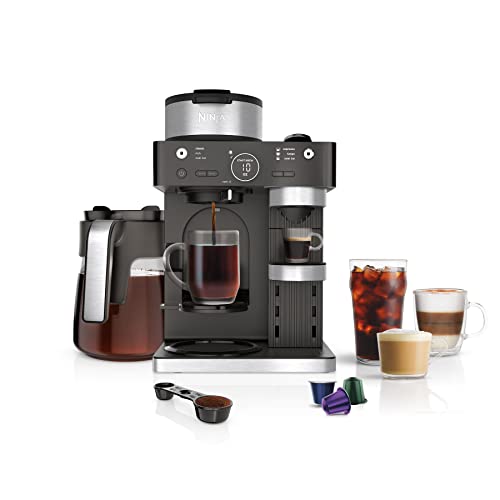
Brand: Ninja. This Barista System features a 19‑bar pressure system, built‑in fold‑away frother, and multiple espresso brew styles including Espresso, Lungo, and Over Ice. While the product description highlights capsule compatibility, the system’s emphasis on pressure and frothing supports brewing espresso‑style shots that can be made from concentrated grounds using compatible baskets or reusable filters (depending on accessory use).
Features listed: Barista Plus technology for optimal temp and pressure, a built‑in frother for milk‑based drinks, and three brew styles. The combination of a pressured pump and frothing makes it suitable for a range of espresso‑style drinks without relying solely on brand pods when used with reusable baskets or adapted methods.
Use case: Helpful for buyers who want a versatile machine that can produce espresso‑style drinks and milk drinks and provides options for using reusable filters or alternate inputs in addition to capsule use.
Lavazza BLUE Classy Mini Single Serve Espresso Coffee Machine LB 300
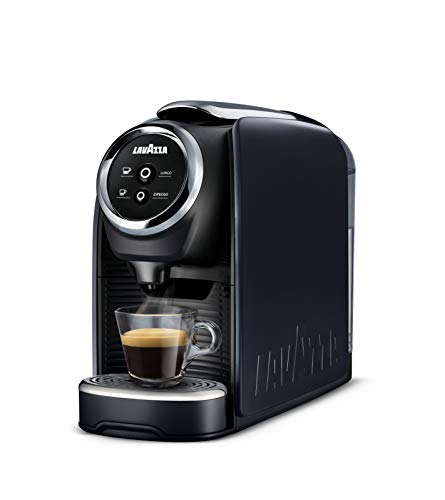
Brand: Lavazza. The Lavazza BLUE Classy Mini is designed around Lavazza’s capsule system and is marketed as single‑serve. The feature note stresses consulting the user guide before first use and highlights two coffee selections including a programmable free dose option and one preset dose.
Features listed: compact footprint (5.3″ x 13″ x 10.2″), two coffee selection modes with one programmable free dose, and simple touch controls. While it is a closed‑capsule system, the programmable dosing can help reduce waste and enable precise cup volumes; users seeking to avoid disposable pods should verify compatibility with reusable Lavazza‑style adapters or third‑party refillable solutions.
Use case: Best for buyers who prioritize compact, one‑touch convenience and who are open to using brand‑specific capsules or exploring refillable capsule accessories to avoid single‑use pods.
Nespresso Essenza Mini Espresso Machine By Breville
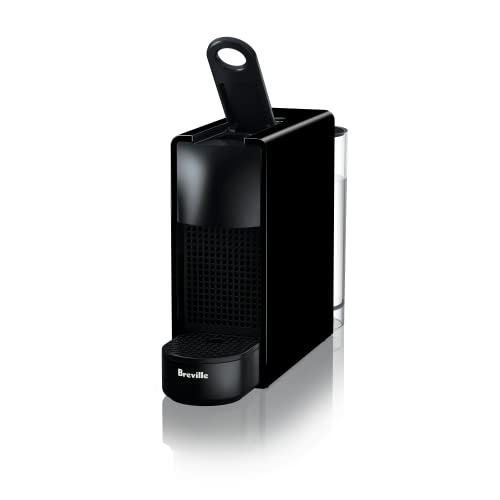
Brand: Breville (Nespresso Essenza Mini). This compact machine is built for rapid heat‑up and energy saving with two programmable one‑touch cup sizes. The manufacturer notes stress grind size, dose, and tamping for proper pressure if using a machine that accepts grounds—however, this Essenza Mini is designed for Nespresso Original capsules.
Features listed: 25‑second heat‑up, automatic shut off, barista‑grade single‑serve quality, and two single‑serve cup sizes. For users who want to avoid single‑use pods, options include third‑party reusable capsules designed for the Nespresso Original line, but users should follow instructions and consider compatibility and warranty implications.
Use case: Suited to buyers wanting compact extraction performance with quick one‑touch brewing; users who wish to avoid disposable pods should investigate reusable capsule accessories compatible with this line.
Buying Guide: Choosing An Espresso Machine Without Proprietary Pods
When selecting an espresso machine that avoids single‑use proprietary pods, consider the following factors to match your priorities and routine.
1. Input Type: Grounds, Powder, Or Reusable Capsule
- Ground Coffee (Portafilter/Semi‑Auto): Machines with portafilters accept fresh ground espresso and offer the best control over grind, dose, and tamp. Look for a robust pump (15–20 bars) and stable boiler temperature.
- Espresso Powder Or Multi‑Format Machines: Some compact machines accept espresso powder or multiple pod formats, enabling non‑proprietary use. Check the manual for powder compatibility and recommended dosing.
- Reusable Capsules: If you have a capsule system, reusable capsules can let you use grounds instead of brand pods. Confirm physical compatibility and ease of filling/cleaning.
2. Extraction Pressure And Temperature Control
- Pump Pressure: 15–20 bar pumps are common; higher bar ratings can support crema formation but also depend on grind quality and tamping.
- Temperature Stability: Look for machines with stable boilers, preheat times, and any PID or temperature management features for consistent extraction.
3. Milk Frothing And Steam Wand Options
- If you want lattes or cappuccinos, choose a machine with a dedicated steam wand or powerful built‑in frother. Removable nozzles and easy‑clean wands add convenience.
4. Size, Water Capacity, And Footprint
- Consider water tank size (larger tanks add fewer refills) and machine width/depth for counter space. Compact units offer limited capacity but fit tight kitchens.
5. Controls, Programmability, And Ease Of Use
- Programmable dose settings, LED touchscreens, and pre‑infusion options help dial in consistent shots. Simpler machines may require manual timing and tamping but offer more manual control.
6. Cleaning, Maintenance, And Durability
- Removable drip trays, washable water tanks, descaling alerts, and detachable steam wands simplify maintenance. Check whether replacement parts and service are readily available.
7. Versatility And Long‑Term Cost
- Using grounds with a semi‑automatic machine generally reduces per‑cup cost versus single‑use pods. Reusable capsules bridge convenience and savings but can affect workflow and extraction quality.
8. Accessories And Compatibility
- Consider whether the machine includes or supports portafilters, tamper, dosing baskets, or reusable capsule kits. These accessories influence the ability to avoid proprietary pods.
Comparison perspectives: Semi‑automatic machines give the most control and direct ground use. Multi‑format machines and pod units with compatible powder or reusable capsule options provide convenience and flexibility. Evaluate how much hands‑on preparation you want versus one‑touch convenience, and choose a machine that supports your chosen input method without relying on single‑use proprietary pods.