Find the right paper filters for cleaner, grit-free French press coffee. Below is a quick comparison of the five selected filter paper options and compatible paper products included in this guide.
| Product | Format | Highlights |
|---|---|---|
| CAFFI Paper Filters (4–8 Cup) — 100 Pack | 100 Count | Cleaner coffee, less sediment, easy cleanup |
| ESPRO Paper Filters — 100 Count (32 oz) | 100 Count | Ultra-clean, stops extraction on press, designed for ESPRO |
| Hario Paper Filters (CF-103E) — 100 pcs | 100 Count | Japanese-made, compatible with specific syphon/specialty brewers |
| CAFFI Paper Filters (12 Cup) — 2 Packs Of 50 | 2×50 Count | Larger size for 12-cup French presses, reduced sediment |
| CAFFI Paper Filters (3 Cup) — 4 Packages | Multiple Small Packs | Small-size filters for compact presses, easy disposal |
CAFFI Paper Filters For 4 To 8 Cup French Press

This CAFFI pack is sized for many standard 4–8 cup presses and includes 100 paper filters. The listed features emphasize cleaner coffee with less sediment and easy cleanup. For users seeking a disposable filtration layer, these filters help trap fines and oils, producing a clearer cup compared to mesh-only screens. Compatibility depends on press diameter and basket shape; users should verify fit before purchase. Paper material can reduce oils and mouthfeel, producing a different flavor profile than metal screens.
ESPRO 100 Count Coffee Paper Filters

ESPRO’s paper filters are designed specifically to work with ESPRO micro-filters for P3/P5/P6/P7 models and a 32-ounce capacity. Features note ultra-clean, oil-free coffee, a mechanism to halt extraction when pressed, and an easy installation step between micro-filters. This product is focused on preserving balanced extraction and reducing bitterness by stopping extraction completely at press. It is targeted at users of ESPRO presses but demonstrates the advantages of purpose-built paper filtration for consistent brew control.
Hario Paper Filter For Siphon/Brewers
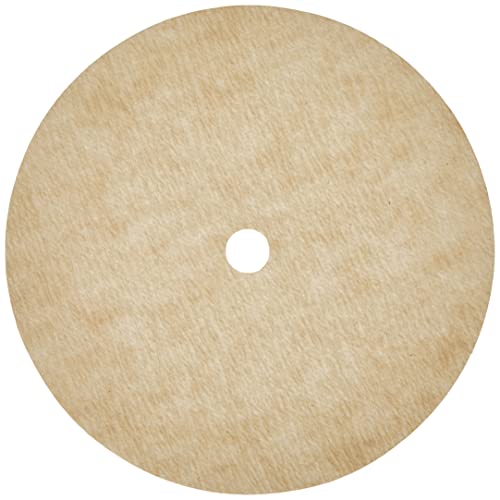
Hario CF-103E filters are Japanese-made paper filters commonly used in siphon and specialty brewers, sold in 100-count packs. Though not explicitly made for standard French presses, the high-quality paper and consistent manufacturing can suit certain small or tapered presses that accept paper disks. The product description lists specific compatible models and brewing methods; buyers should check dimensions and compatibility if using these in a French press. Hario filters are known for even extraction and minimal paper taste when pre-rinsed.
CAFFI Paper Filters For 12 Cup French Press
This CAFFI listing is tailored for larger 12-cup French presses and ships as two packs of 50 filters. The product highlights reduced sediment and streamlined cleanup. Larger-diameter filters are intended to fit wider carafes; proper fit ensures the paper layer seats correctly under the plunger assembly. For multi-cup brewing, paper filters can minimize grounds migration and make rinsing unnecessary compared to permanent screens, though they will change the final cup’s oil profile.
CAFFI Paper Filters For 3 Cup French Press

The small-size CAFFI option ships as multiple packages suitable for compact 3-cup presses. Listed features include cleaner coffee and easy cleanup. Compact presses often need smaller diameter or shaped filters; this product targets those sizes. Using paper in small presses can be an efficient way to reduce fines and make single-serve brewing less messy. As with all paper filters, rinsing before brewing can reduce paper flavor and stabilize extraction.
Buying Guide: How To Choose French Press Filter Paper
Choosing the right filter paper involves matching size, material, and brewing goals. Below are key considerations when selecting a paper filter option for a French press.
Compatibility And Size
- Diameter and Shape: Measure the press basket diameter and check whether the paper is flat, tapered, or pre-cut to match your press. Incorrect fit can cause channeling or tears.
- Intended Models: Some filters (like ESPRO) are model-specific. Verify compatibility for ESPRO or other proprietary press systems.
Filtration Performance
- Sediment Reduction: Paper filters significantly reduce fines and grit compared to metal meshes, producing a cleaner cup.
- Oil Retention: Paper traps oils, resulting in less body and altered mouthfeel. Choose based on whether you prefer clarity over full-bodied texture.
Material And Taste
- Bleached Vs Unbleached: Bleached papers are white; unbleached are brown. Some users notice differences in flavor or prefer unbleached for environmental reasons.
- Pre-Rinse: Rinsing paper filters with hot water before brewing removes residual fibers and minimizes paper taste.
Ease Of Use And Cleanup
- Disposable Convenience: Paper filters simplify cleanup—just remove and discard—reducing scrubbing compared to metal filters.
- Installation: Some paper filters fit under micro-filters or between components; ensure installation is straightforward for your press model.
Durability And Environmental Considerations
- Single-Use Waste: Paper filters create disposable waste; look for unbleached or compostable options if environmental impact is a concern.
- Alternatives: Reusable stainless steel or fine mesh screens reduce waste but allow more fines and oils into the cup.
Flavor And Extraction Control
- Extraction Stop: Some paper systems, particularly ESPRO’s design, help halt extraction when the press is depressed, reducing over-extraction risk.
- Grind Size: Use a slightly coarser grind to limit clogging and ensure proper water flow when using paper filters in a press.
Practical Comparison Points
- Pack Size: Consider consumption rate—bulk packs reduce refill frequency but require storage.
- Brand/Model Fit: Purpose-built filters (ESPRO) offer precise performance, while generic brands (CAFFI) offer broader compatibility in various sizes.
- Cost vs Waste Tradeoff: Paper filters add recurring cost and waste; compare to reusable alternatives for long-term value.