Choosing a high-quality coffee maker depends on brew style, capacity, temperature control, and extraction method. Below is a quick summary of five well-regarded options across drip, thermal, espresso, and pour-over styles so you can compare features at a glance.
| Model | Type | Key Strength |
|---|---|---|
| BLACK+DECKER 12-Cup Thermal | Programmable Thermal Drip | Thermal Carafe, Brew Strength Selector |
| Cuisinart 14-Cup DCC-3200NAS | Programmable Drip | Adjustable Carafe Temp, Large Capacity |
| QJA Espresso Machine | Semi-Automatic Espresso | 20-Bar Pump, Milk Frother |
| Ninja 12-Cup Programmable | Drip With Multiple Brew Styles | Two Brew Styles, Hotter Technology |
| Bodum 34oz Pour Over | Manual Pour-Over | Borosilicate Glass, Stainless Steel Filter |
BLACK+DECKER 12-Cup Thermal Programmable Coffee Maker
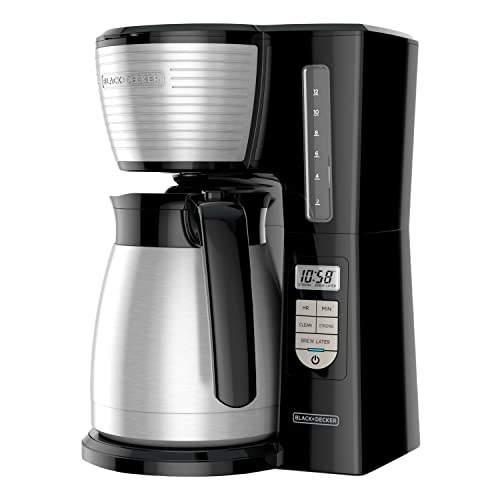
The BLACK+DECKER model is focused on delivering consistent hot coffee for larger households. It features a 4-layer vacuum sealed thermal carafe designed to keep coffee hot for up to two hours at around 154°F. The machine uses Vortex Technology to optimize water flow during extraction, aiming to enhance flavor uniformity. Programmability includes a 24-hour auto-brew and a Brew Strength Selector that slows extraction for a bolder cup. The package also lists an auto-clean function for basic maintenance. This unit targets users who prioritize thermal retention and customizable brew strength in a drip platform.
Cuisinart 14-Cup Programmable PerfecTemp Coffee Maker

This Cuisinart model emphasizes temperature control and capacity. The Adjustable Carafe Temp setting changes the hot plate temperature to Low, Medium, or High to maintain your preferred serving temperature. The brewer accommodates large batches with a 14-cup capacity and offers Brew Strength Control (regular or bold) plus 24-hour programmability and a 1-4 cup setting for smaller portions. Features include auto-off timing and an optional ready alert tone. This machine suits kitchens needing flexibility for both large gatherings and single-serve brewing without sacrificing temp management.
QJA Espresso Machine With Milk Frother

The QJA unit is a semi-automatic espresso platform with a 20-bar pump and a 1400W boiler, targeting espresso-based drinks like cappuccinos and lattes. It includes an LED touch screen, programmable brew time, and pre-impregnation (pre-infusion) for more even extraction. A removable 57.5oz water tank and a steam wand with removable nozzle support milk frothing and easier cleaning. The design aims to provide café-style control for home baristas who want pressure-based extraction and a built-in frothing system in a compact footprint.
Ninja 12-Cup Programmable Coffee Brewer
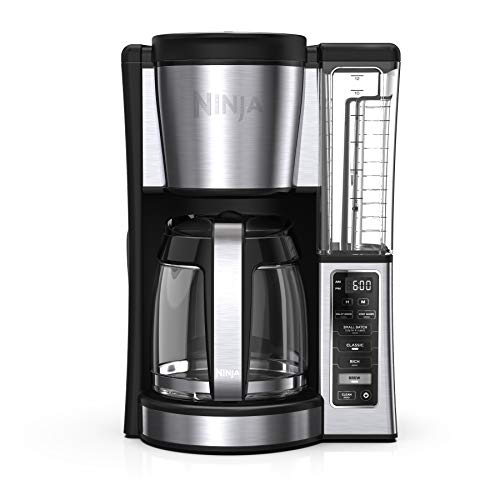
Ninja’s 12-cup brewer highlights two brew styles — Classic and Rich — and a custom strength control to minimize bitterness. It features Hotter Brewing Technology for improved temperature stability and a 60oz water reservoir for convenience. The glass carafe supports small or large batches, while programmability includes delay brew options. This model suits users who want flexible flavor profiles and a balance between convenience and extraction control in a drip-style machine.
Bodum 34oz Pour Over Coffee Maker

The Bodum pour-over focuses on manual extraction quality. It uses high-heat borosilicate glass that’s non-porous and retains no flavors, paired with a permanent stainless steel filter that produces a robust aroma and fuller-bodied cup compared to paper filters. As a hands-on method, pour-over brewing gives direct control over pour rate and saturation, allowing precise adjustments to grind size and water temperature. This option appeals to users prioritizing clarity and craft in single-batch brewing without automatic electronics.
Buying Guide: How To Choose A High-Quality Coffee Maker
Selecting the right coffee maker requires matching machine capabilities to your routine, taste preferences, and maintenance willingness. Below are key considerations and comparisons to guide selection.
- Brew Method: Drip machines (Cuisinart, BLACK+DECKER, Ninja) excel at convenience and capacity. Espresso machines (QJA) deliver pressure-extracted shots for milk drinks. Manual pour-over (Bodum) gives the most control over extraction variables.
- Temperature Control: Look for consistent brewing temperature (195–205°F for optimal extraction). Models with adjustable carafe temp or hotter brewing tech help retain serving temperature and extraction consistency.
- Extraction Control: Brew strength selectors, pre-infusion, and multiple brew styles let you tune flavor intensity. Espresso machines provide pressure control; pour-over requires manual technique.
- Capacity & Speed: Large households benefit from 10–14 cup models; single users may prefer smaller or single-serve options. Speed-brew designs and always-hot tanks (BUNN style) prioritize quick pours.
- Thermal vs Glass Carafe: Thermal carafes preserve heat without a hot plate, reducing overcooking. Glass carafes require a warming plate and are more fragile but allow visual monitoring.
- Maintenance: Consider removable water tanks, descaling needs, and ease of cleaning steam wands or permanent filters. Auto-clean functions reduce manual upkeep but don’t replace periodic descaling.
- Build & Materials: Stainless steel boilers, borosilicate glass, and commercial-grade internal tanks improve longevity and flavor neutrality. Reusable stainless filters reduce waste but alter mouthfeel compared to paper filters.
- Programmability & Convenience: Delay brew and 24-hour programmability are useful for scheduled routines. Pause-and-serve and large reservoirs add convenience for frequent pouring.
- Noise and Footprint: Espresso pumps and boilers can be louder and larger than drip or pour-over setups. Verify dimensions and sound levels if space or noise is a concern.
- Intended Drinks: If you prefer milk-based drinks, prioritize a machine with a reliable steam wand or automatic frother. For black coffee, focus on extraction temperature and saturation methods.
Compare these factors across models to match the device to your daily habits, preferred drink styles, and maintenance tolerance. Objective evaluation of features helps ensure the selected coffee maker meets both functional and flavor expectations.