Clay cookers, or donabe pots, bring a traditional Japanese approach to rice cooking with natural moisture regulation and even heat. This guide highlights clay and ceramic-based options that help you achieve fluffy, restaurant-quality rice at home. From single-serving microwavable pots to larger family-sized donabe sets, these picks emphasize authentic materials and practical design for American kitchens.
Below is a quick summary of the five most relevant clay-based rice cookers. The table lists each product’s size range, key material, and standout features to help you compare at a glance.
| Product | Capacity | Material | Key Benefit |
|---|---|---|---|
| DONABE Clay Rice Cooker Pot Casserole (1–2 cups) | 1–2 cups | Bankoyaki Donabe clay | Authentic traditional donabe for small portions |
| DONABE Clay Rice Cooker Pot Casserole (2–3 cups) | 2–3 cups | Bankoyaki Donabe clay | Mid-size donabe for family meals |
| Iga no Takumi Instant Rice Pot | 0.5–1 cup | Clay body (Iga-Yaki) ceramic | Microwave-ready, quick, authentic texture |
| Banko-Yaki Fluffy Rice Pot (3-Gou, serves 3–5) | 3–5 servings | Banko-Yaki earthenware | Evenly cooked, fluffy rice with complete set |
| Banko Ware Rice Pot – Double Lid (1–2 servings) | 1–2 servings | Banko Ware ceramic | Double lid for fluffy texture; portable |
DONABE Clay Rice Cooker Pot Casserole (1–2 Cups)
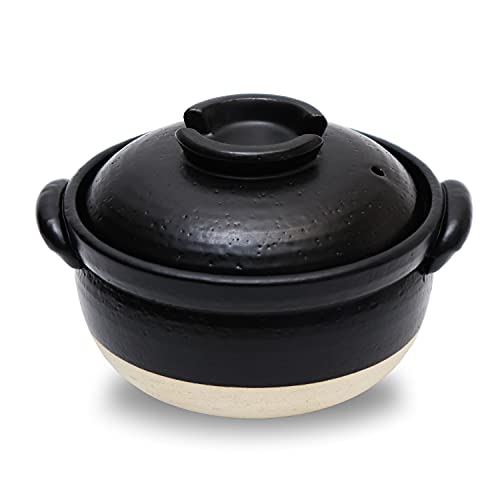
The Donabe clay pot set from Bankoyaki is crafted in Japan and designed for small rice batches. The traditional Donabe clay offers natural moisture regulation to help rice grains hydrate evenly while retaining heat. It supports cooking not only rice but also soups and hotpots, expanding its use beyond plain grains. This model is sized for about 1–2 cups of uncooked rice, making it ideal for individuals, students, or intimate meals. Durable Japanese craftsmanship ensures a consistent texture with every use.
DONABE Clay Rice Cooker Pot Casserole (2–3 Cups)

This second donabe option expands capacity to 2–3 cups of raw rice, suitable for small families or shared meals. Built with Bankoyaki clay, it maintains the same traditional benefits—gentle heat distribution and moisture balance—while offering a slightly larger cooking surface. The double lid design helps trap steam for consistently fluffy results. Like the smaller version, it doubles as a pot for soups or hotpot dishes when rice is not the main dish.
Iga no Takumi Instant Rice Pot (Microwave)

Designed for microwave use, this Iga-Yaki clay pot focuses on speed and portion control. The porous clay helps regulate moisture and heat, delivering dependable texture in about 10 minutes. Built-in water level markers support precise measurements for small servings, making it a practical choice for singles or quick lunches. It emphasizes authentic Iga-Yaki design, renowned in Japan for its compatibility with traditional rice textures and compact form.
Banko-Yaki Fluffy Rice Pot (3 Gou)

The Banko-Yaki Fluffy Rice Pot is an earthenware donabe designed for even rice cooking with a rounded bottom. It supports 3 Gou portions, which translates to a meal serving for 3–5 people, depending on appetite and side dishes. The set includes a measuring cup and a rice paddle to ensure consistent portions. This pot is celebrated for producing fluffy rice with a delicate texture and is well suited for mixed rice dishes or porridge, as well as plain steamed rice.
Banko Ware Rice Pot – Double Lid (1–2 Servings)

This Banko Ware Rice Pot features a double-lid design to trap steam and moisture for even, fluffy grains in small portions. The 1–2 serving capacity is ideal for personal chefs or those who want to practice traditional donabe cooking without committing to large batches. The pot’s rounded bottom and accessible handle support easy transfer from stove to table, and its Japanese-made craftsmanship adds an authentic touch to any kitchen collection.
Zojirushi 3 Cup Rice Cooker/Steamer (White)
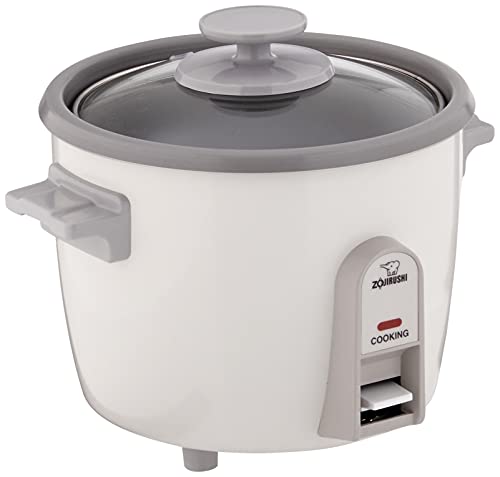
While not a clay pot, this compact Zojirushi model remains relevant for rice preparation in a kitchen that also values traditional clay options. It offers a straightforward single-switch operation, a see-through lid with a stay-cool knob, and easy portability. This serves as a practical counterpoint to clay pots for those who want a quick rice solution without sacrificing rice quality. It complements clay options by providing a modern, reliable backup for everyday meals.
Buying Guide: Clay Rice Cookers And Donabe Considerations
- Material quality and origin: Look for pots labeled Bankoyaki or Banko-Yaki from reputable Japanese makers. Authentic ceramic bodies improve heat distribution and moisture retention, which helps achieve fluffy rice with lower risk of scorching.
- Capacity and serving size: Clay pots come in small, medium, and larger sizes. Choose based on household size and meal planning. Donabe pots excel for family-style dining, while single-portion pots suit busy individuals.
- Double lid design: Some models feature double lids for better steam retention. This is especially helpful for even cooking in donabe configurations and can influence final texture.
- Microwave versus stovetop use: Microwave-ready clay pots offer quick results but may require careful water-to-rice ratios. Stove- or oven-safe sets deliver more traditional donabe-style cooking and can handle soups and hotpots.
- Portability and care: Some pots are designed with handles or rounded bottoms for easy transfer. Clay pots need gentle cleaning to preserve glaze and ceramic integrity; avoid abrasive scrubbing and harsh detergents.
- Versatility: Beyond rice, many clay pots can cook soups, stews, and hotpots. If you enjoy varied Japanese dining experiences, a multi-use donabe model adds value to your kitchen.
- Care and maintenance: Soaking, seasoning, or seasoning-free glaze preferences may apply. Follow manufacturer instructions for curing, washing, and storage to extend pot life.
- Style and decor: Clay donabe pots carry traditional aesthetics. If you prefer a rustic table presentation, choose a pot with an attractive glaze and comfortable lid handle.
These clay-based options provide a range of capacities, from intimate servings to family meals, while emphasizing traditional Japanese rice-cooking techniques. When selecting a clay rice cooker, consider your typical meal size, storage options, and how often you’ll use the pot for other dishes like soups or hotpots. The right model blends authentic materials with practical design to deliver consistent, fluffy rice with minimal effort.