Best Milk Frother for Espresso: Top Picks for Cappuccino and Latte
The right milk frother can transform espresso into cafe-quality cappuccinos, lattes, and macchiatos. Below are five well-suited options covering automatic electric frothers, manual pitchers for steaming and latte art, and multifunction warm/cold foams. Compare performance, capacity, material, and compatibility to pick the best fit for your espresso routine.
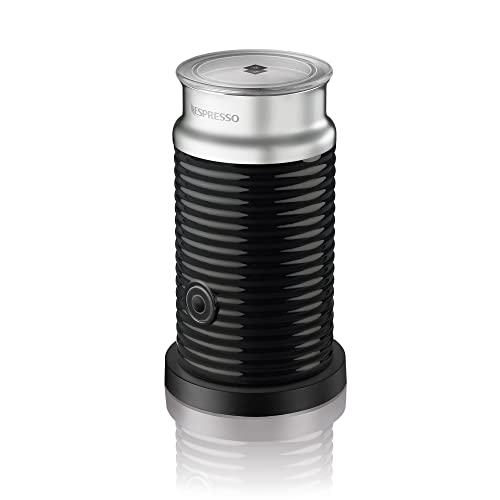
Type: Automatic electric milk frother with single-button control. Functionality: Produces hot milk foam, hot milk, and cold froth via one- or two-second button presses. Construction: Stainless steel body with plastic accents and a whisk for consistent frothing. Performance: Heats milk to approximately 160–170°F, suitable for cappuccinos and lattes. Use Case: Compact footprint works well beside Nespresso machines and other espresso makers. Considerations: One-touch simplicity favors users seeking a fast, repeatable frothing routine without multiple settings.
Type: Automatic electric frother with expanded modes. Functionality: Creates hot or cold, airy or dense foam and frothed milk in seconds using a circular whisk design. Design: Improved ergonomics and smaller counter footprint compared to earlier models. Compatibility: Marketed as an ideal companion to Nespresso espresso machines but works with any milk type. Use Case: Useful for users who want more control over foam texture (airy vs dense) and prefer multiple preset styles for different drinks like macchiatos or iced beverages.
SIMPLETASTE 4-in-1 Electric Milk Steamer And Frother
Type: Multifunction electric frother and warmer. Capacity: Warm up to 300 ml (approx. 10.1 oz) for hot drinks, froth up to 130 ml (approx. 4.4 oz) for cappuccinos. Modes: Produces warm dense foam, warm airy foam, cold foam, and functions as a milk warmer for hot chocolate or matcha. Performance: Designed to deliver smooth, velvety foam suitable for lattes and iced drinks. Use Case: Versatile option when you need both warm milk and cold froth for varied espresso-based beverages.
Type: Automatic electric frother with adjustable temperature and speed. Functionality: Offers hot and cold settings and optimizes speed and temperature to create stiff, fine foams ideal for latte art. Ease of Use: One-button operation that automatically sets ideal parameters for each style. Compatibility: Designed to integrate with Philips Baristina espresso machines but applicable for general milk frothing needs. Use Case: Suited to users focused on consistent texture control for latte art and specialty drinks.
Amrules 12oz Milk Frothing Pitcher With Clear Scale
Type: Manual stainless steel frothing pitcher for steaming and pouring. Material: 304 (18/8) food-grade stainless steel with mirror exterior and hairline interior finish. Design: Laser-printed internal scale marks for precise milk volume control and a smooth, V-shaped mouth to aid steady pour and clearer latte art patterns. Durability: Rust-resistant and dishwasher-safe. Use Case: Essential for espresso setups where steam wand frothing and manual pouring technique are used to create latte art.
Buying Guide: Choosing The Best Milk Frother For Espresso
Selecting the right frother depends on how you make espresso, drink preferences, and skill level. Below are key considerations and comparison perspectives to guide the decision.
Frother Types And Use Cases
Automatic Electric Frothers (Nespresso Aeroccino, SIMPLETASTE, Philips): Best for fast, consistent foam without a steam wand. Ideal for users who want repeatable results and multiple modes (hot/cold, airy/dense).
Manual Pitchers (Amrules): Required when using an espresso machine steam wand. Provide full control over steaming technique and pouring for latte art.
Handheld Mixers: Lightweight and portable for occasional frothing but may not reach temperatures or textures achievable by electric frothers or steam wands.
Performance Factors
Foam Texture: Dense vs airy foam matters—dense foam suits macchiatos and microfoam for latte art; airy foam works for lighter cappuccinos and cold foam drinks.
Temperature Control: Look for models that heat to ideal milk serving temps (around 150–165°F) or offer adjustable temperature for specialty drinks.
Speed And Noise: Quiet motors and fast operation improve everyday usability; compare runtime and noise levels when possible.
Capacity And Daily Volume
Choose capacity based on how many drinks you make at once. Small frothers are fine for single cups; larger frothers or pitchers are better for multiple drinks or family use.
Note the maximum milk volume for frothing vs warming to avoid overfilling and inconsistent foam.
Material, Durability, And Cleaning
Stainless Steel interiors and bodies resist staining and heat. Non-stick coatings can help cleaning but may wear.
Removable whisks or dishwasher-safe pitchers simplify maintenance. Check whether electric units require hand washing.
Compatibility And Workflow
Match the frother type to your espresso setup: steam wand users need a pitcher; pod or machine users may prefer standalone electric frothers for convenience.
Evaluate counter space and ergonomics: smaller footprints or ergonomic handles can improve daily use.
Latte Art And Skill Requirements
If latte art is a priority, combine a reliable steam wand with a quality stainless-steel pitcher that has a V-shaped spout and internal scale marks for precision.
Automatic frothers offering dense microfoam can help beginners achieve better results without advanced steam technique.
Milk Types And Frothing Behavior
Dairy milks (whole, 2%) generally produce stable foam; non-dairy milks vary—look for frothers or settings that accommodate soy, oat, or almond milk if relevant.
Additional Comparison Perspectives
Simplicity vs Control: One-touch devices prioritize convenience; manual methods prioritize control for skilled baristas.
Versatility vs Specialization: Multifunction frothers (warm, cold, foam) offer versatility for varied beverages; single-mode frothers may deliver slightly better consistency for one preferred style.
Integration: Consider whether the frother is intended to pair with a specific espresso machine brand for seamless use or is stand-alone for broader compatibility.
Use these comparisons to align product features with your espresso routine, volume needs, and skill level when selecting the best milk frother for your setup.