Paper filters for moka pots improve clarity, reduce grounds, and can alter flavor extraction. Below is a quick comparison of five relevant replacement filter paper options chosen for compatibility, material, and pack size.
| Product | Brand | Key Feature |
|---|---|---|
| BlingKingdom 2.5″ Unbleached Filters | BlingKingdom | Unbleached, 2.5″ / 6.4cm diameter, 300 pcs |
| 200 Pcs No.6 Moka Pot Filter Paper | Rosojodg | No.6 size, 200 pcs, designed fit |
| MOUMOUTEN No.9 68mm Filters | MOUMOUTEN | No.9 / 68mm, 100 pcs, unbleached |
| brikinte 1000-Pack 2.5″ Micro-Filters | brikinte | 1000 pcs, 2.5″ fits Bialetti & AeroPress |
| Brew Choice 1000-Count 2.5″ Filters | Brew Choice | FSC pulp, 2.5″, 1000 pcs, wide compatibility |
BlingKingdom 2.5″ Unbleached Replacement Filters

The BlingKingdom pack includes 300 unbleached 2.5″ (6.4 cm) round filters. These are described as made from high-quality unbleached virgin pulp, chlorine-free and odorless. The seller emphasizes the fit, noting the filters keep grounds in the basket without impeding flow or flavor, and should reduce grounds in threads or the filter area.
Key attributes: environmentally friendly material, tough paper with high permeability. The listing recommends measuring your filter size before buying to confirm fit, which is important for consistent extraction and to avoid overflow or bypass.
200 Pcs No.6 Moka Pot Filter Paper

This Rosojodg pack supplies 200 premium filter papers specifically sized for No.6 Moka pots. The product highlights a fit engineered to ensure optimal extraction and to prevent grounds from entering the brew.
Material notes indicate a paper that maintains structure through brewing and claims not to affect coffee taste. For users with No.6 size baskets, these are positioned as a direct match to retain grounds and support even percolation.
MOUMOUTEN No.9 68mm Moka Pot Filters

MOUMOUTEN offers 100 filters sized No.9 (68 mm), promoted for improved taste and safe materials. The listing emphasizes non-bleached paper with good air and water permeability, aiming to preserve coffee flavor without chemical aftertaste.
The product copy highlights compatibility with percolator and moka-style pots and points to strength and environmental friendliness. This option suits larger moka or percolator baskets where a 68mm disc is required for proper seating and extraction.
brikinte 1000-Pack 2.5″ Micro-Filters
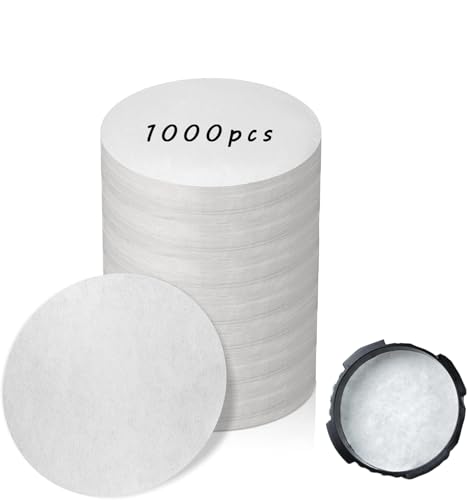
brikinte’s large pack contains 1000 2.5″ (2.5 inch) paper micro-filters designed for Bialetti Moka Pots (3–6 cup) and AeroPress models (Original, Go, Clear). The filters are described as removing oils and residues to reveal balanced acidity and sweetness.
Listed as premium pulp, these filters aim to deliver a cleaner cup by reducing bitterness and aftertaste. The high quantity suits frequent brewers or shared kitchens, and broad compatibility with Bialetti and AeroPress models is highlighted.
Brew Choice 1000-Count 2.5″ Replacement Filters

Brew Choice supplies 1000 2.5″ filters made from Canadian pulp with even fiber distribution. The product copy stresses FSC-certified sourcing, compostability, and absence of chemical additives. Compatibility includes AeroPress models (Original/Go/Clear) and Bialetti Moka Pots.
The description focuses on flavor preservation—removing excess oils and residues—and positions the pack for coffee enthusiasts who want many replacements with an eco-conscious material claim.
Buying Guide: Choosing Moka Pot Filter Paper
Selecting the right filter paper for a moka pot depends on size, material, and brew goals. Below are key considerations to evaluate before purchase.
1. Confirm Filter Size And Compatibility
Measure the diameter of your moka pot filter basket or check the manufacturer’s size (No.6, No.9, 2.5″ / 68mm, etc.). A proper fit prevents channeling, overflow, and grounds in the coffee. Many listings emphasize size—double-check dimensions before ordering.
2. Material: Unbleached vs Bleached
Unbleached paper tends to be marketed as free from chemical residue and less likely to impart off-flavors. Bleached filters may appear whiter but can come with processing differences. If chemical-free taste is a priority, choose unbleached options.
3. Permeability And Strength
Good filter paper balances air and water permeability with structural strength so it doesn’t tear during brewing. Filters that are too dense can slow extraction, while too porous might let fine grounds pass. Look for listings that mention permeability and toughness.
4. Pack Size And Value
Consider frequency of use: single users may prefer 100–300 packs, while offices or heavy users benefit from 500–1000 packs. Larger packs lower per-filter cost and reduce the need to reorder frequently.
5. Flavor Impact
Paper filters remove oils and fines, producing a cleaner cup with less bitterness and sediment. If you prefer a fuller-bodied moka cup, consider whether you want the oil absorption effect of paper. Descriptions for several products highlight the flavor clarity achieved.
6. Environmental And Certification Factors
Some listings note FSC certification or compostability. If sustainability matters, look for certified pulp sourcing and biodegradable paper claims. Unbleached options can also be a greener choice.
7. Fit For Your Brewing Method
Some filters are cross-promoted for both Bialetti Moka Pots and AeroPress devices. Verify the product notes if you plan to use the filters across multiple devices, as dimensions and thickness requirements differ.
8. Practical Testing And Reviews
When available, check customer feedback on fit and durability specific to your moka model. Look for comments about grounds in the cup, tears during brew, or any noticeable aftertaste associated with the paper.
9. Storage And Shelf Life
Store paper filters in a cool, dry place to preserve integrity. Moisture can cause sticking or degradation. Packs of 1000 may require airtight storage to avoid humidity exposure over long periods.
10. Price Per Filter And Waste Considerations
Balance cost-per-filter with environmental impact. If reducing single-use waste is a priority, consider reusable metal or cloth filters, but note these change extraction and mouthfeel compared to paper.