Enjoy reliable coffee on campouts with a compact, durable moka pot. Below is a quick comparison of five top options selected for camping and travel, followed by detailed product sections and an objective buying guide.
| Product | Material | Capacity | Camping Notes |
|---|---|---|---|
| GROSCHE Milano Moka Pot | Anodized Aluminum | 6 Espresso Cups | Works on gas, electric, propane stoves; portable |
| GSI Outdoors Stainless Steel Moka | Stainless Steel | 6 Double Shots | Rust-proof, travel-focused construction |
| Bincoo Small Camping Moka Pot | Aluminum (colored) | 1–2 Cups (120 ml) | Compact, compatible with propane camping stoves |
| DITOSH Stainless Steel Moka Pot | Stainless Steel | 2 Cup (100 ml) and larger sizes | Durable threads and safety valve; induction-capable |
| Artilife 500W Mini Hot Plate | Electric Hot Plate | Single burner (suitable for small moka pots) | Portable electric heat source for camp kitchens or RVs |
GROSCHE Milano Moka Pot
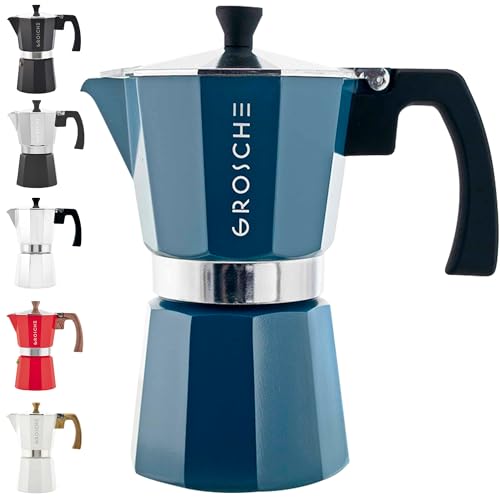
Overview: The GROSCHE Milano is an anodized aluminum moka pot available in multiple sizes, here represented by the 6-cup version. It is described as a stovetop percolator producing rich moka-style coffee and is marketed as easier to use than electric machines.
Key Features: Food-grade anodized aluminum construction; silicone gasket; available in 3/6/9 cup sizes. The product listing highlights compatibility with gas, electric, and propane camping stoves, and notes slower heating on glass induction but operable.
Camping Considerations: The Milano’s anodized aluminum balances weight and heat conduction, offering quick brew on open flames. The silicone gasket and standard size make replacement parts accessible. For campers using induction, note the slow heating unless an induction adapter is used.
GSI Outdoors 6 Cup Stainless Steel Moka
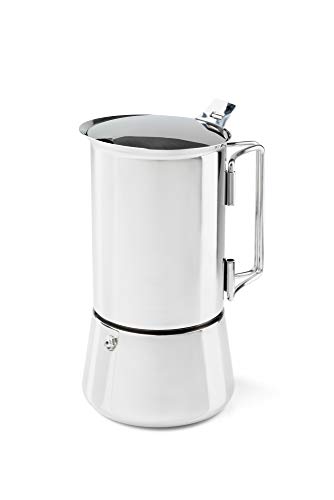
Overview: The GSI Outdoors Glacier Stainless moka pot is built specifically with travel and camping use in mind. It brews multiple double shots quickly and emphasizes durability.
Key Features: Ultra-rugged stainless steel construction; brews roughly 6 double shots; rust-proof and fire-proof design; easy-fill lower chamber and removable basket.
Camping Considerations: Stainless steel resists discoloration and corrosion from outdoor use and water exposure. The heavier material adds durability but increases pack weight. Stainless design fares well on camp stoves and over campfire grills; ensure stable surface during extraction.
Bincoo Small Camping Moka Pot 1-2 Cup

Overview: The Bincoo small moka pot is a compact 120 ml model aimed at solo campers or light packers. It is promoted for compatibility with gas, ceramic, and propane stoves.
Key Features: 1–2 espresso cup capacity, hand-wash only, works on propane and gas camping stoves, easy brewing process suitable for beginners.
Camping Considerations: The compact size reduces weight and saves space in a backpack. The listing cautions against dishwashing and recommends hand rinsing only to preserve coffee oils. Ideal for single-serve brewing but not suited for groups.
DITOSH 2 Cup Stainless Steel Moka Pot

Overview: DITOS H stainless steel moka pots are available in multiple sizes; the 2-cup option is compact for travel. The product emphasizes polished stainless steel construction and safety features.
Key Features: Polished stainless body, precision three-ring threads, pressure-resistant safety valve, sandblasted interior finish, multiple capacity options up to 12 cups.
Camping Considerations: Stainless steel offers enhanced longevity and is less reactive than aluminum. The precision threads and safety valve increase reliability on variable heat sources. Select a size that matches your group to avoid over- or under-brewing at camp.
Artilife 500W Mini Hot Plate

Overview: The Artilife 500W mini hot plate provides a portable electric heat source compatible with small moka pots, suitable for car camping, RVs, or sites with shore power.
Key Features: Adjustable dial with five heat levels, cycles on and off to maintain temperature, compact footprint, initial outgassing note for first use.
Camping Considerations: Electric hot plates eliminate the need for open flames and are useful in enclosed shelters or RVs where open fires are restricted. The low-wattage model cycles and may require higher settings for rapid extraction. Always use on stable, heat-resistant surfaces and follow first-use ventilation advice.
Buying Guide: Choosing A Moka Pot For Camping
This guide covers key factors to evaluate when selecting a moka pot for outdoor use, with objective comparisons across materials, sizes, and heat sources.
Material: Aluminum Vs. Stainless Steel
- Aluminum — Lightweight and excellent heat conduction, ideal for backpacking and quick boil on open flames. Prone to oxidization and may retain flavors; anodized models improve durability.
- Stainless Steel — Heavier but more durable, rust-resistant, and less reactive with water. Better for extended outdoor use, camp kitchens, and compatibility with induction when magnetic.
Capacity And Group Size
- Choose smaller (1–2 cup) for solo campers or ultralight packs.
- Medium (3–6 cup) suits couples or small groups; larger sizes increase weight and water/fuel needs.
Heat Source Compatibility
- Propane/Gas Camp Stoves: Most moka pots work well; stable base and even heat distribution matter.
- Open Fire: Stainless steel tolerates direct coals better than standard aluminum.
- Induction: Only stainless steel or aluminum pots with induction adapter plates will work efficiently.
- Electric Hot Plate: Useful for RVs or sites with power; confirm power rating and plate size to match moka base.
Portability And Weight
- Consider packed volume and weight, especially for backpacking. Small anodized aluminum models offer the best weight-to-function ratio.
- Durable cases or nested designs (parts stack inside each other) save space.
Durability And Serviceability
- Look for replaceable gaskets and standard-sized filters for repairs in the field.
- Metal threads and secure safety valves reduce failure risk under repeated heating cycles.
Ease Of Use And Cleaning
- Simple three-part assembly (boiler, funnel, upper chamber) is standard. Fewer parts reduce setup time.
- Hand-wash guidance is common; avoid dishwasher use on many aluminum models to preserve flavor and finish.
- Consider whether you prefer to preserve coffee oils (no soap) or fully sanitize with soap between uses.
Safety Features
- Safety valves and pressure-resistant designs reduce risk on variable heat sources. Check valve accessibility for cleaning.
- Heat-resistant handles and lids improve safe pouring on unstable camp stoves.
Performance Trade-Offs
- Speed vs. Weight: Heavier cookware may hold heat better but costs pack weight.
- Flavor vs. Maintenance: Retaining coffee oils can improve flavor over time but requires cleaning discipline.
- Durability vs. Cost: Stainless options usually cost more and weigh more but last longer in harsh conditions.
Comparison Perspectives
- If You Camp With Power: An electric hot plate plus a small stainless or aluminum moka pot offers controlled brewing without open flames.
- If You Backpack: Prioritize anodized aluminum, a 1–2 cup capacity, and a compact form factor.
- If You Car Camp Or RV: Stainless steel for durability and larger capacities work well, and an electric hot plate is a viable heat source.
- If You Share Coffee With A Group: Select a 6-cup or larger moka pot and verify your stove can evenly heat the larger base.