Choosing a non-toxic coffee maker means prioritizing materials like stainless steel, borosilicate glass, and permanent stainless filters over food-contact plastics or aluminum. Below is a concise comparison of five coffee makers that emphasize safer materials or simple manual brewing methods, followed by detailed product sections and a practical buying guide.
| Product | Brand | Primary Non-Toxic Feature |
|---|---|---|
| Bodum 34 Oz Pour Over Coffee Maker | Bodum | Borosilicate Glass Carafe + Reusable Stainless Steel Filter |
| MuellerLiving French Press 34oz | Mueller | Stainless Steel Double-Walled Carafe & Food-Grade Filters |
| COLETTI Bozeman Percolator — No Aluminum Or Plastic | COLETTI | All Stainless Steel Construction, Glass View Top |
| Farberware Electric Coffee Percolator | Farberware | Stainless Steel Body And Basket |
| Cuisinart 14-Cup Coffee Maker DCC-3200NAS | Cuisinart | Stainless Steel Exterior And Programmable Controls (see features) |
Bodum 34 Oz Pour Over Coffee Maker

This manual pour-over brewer emphasizes non-toxic materials with a heat-resistant borosilicate glass carafe and a reusable stainless steel mesh filter. The stainless mesh preserves aromatic oils that paper filters absorb, offering fuller flavor without single-use waste. The carafe includes a cork grip for safe handling and is single-wall glass, which simplifies cleaning and eliminates internal plastic liners. Brewing is fully manual, so water contact is limited to glass and stainless steel. The product is made in Portugal and suits users seeking simple, largely plastic-free preparation.
MuellerLiving French Press Coffee Maker 34oz

The MuellerLiving French Press uses a stainless steel, double-walled carafe and food-grade, rust-free materials. Immersion brewing keeps water contact predominantly with stainless steel and filter components, minimizing exposure to plastics. The included multi-layer filter system is dishwasher safe and designed for robust, full-bodied flavor extraction. Portability and durability are notable: the unit is promoted for travel and camping because of its rust-free stainless build. Users who prefer press-style coffee get a largely metal-based brewing path with straightforward maintenance.
COLETTI Bozeman Percolator Coffee Pot — NO Aluminum or Plastic

COLETTI’s Bozeman percolator explicitly markets itself as no aluminum, no plastic, made entirely from stainless steel with a glass view-top. Designed for stovetop or campfire use, this percolator provides a primitive brewing method where water and grounds only contact stainless steel and glass. The lack of plastic components reduces concerns about heat-related chemical leaching. The unit includes a pack of filters for a smoother cup and is dishwasher-safe for home cleaning. It’s positioned for outdoor use and users who prefer simple, metal-only brewing gear.
Farberware Electric Coffee Percolator, Stainless Steel
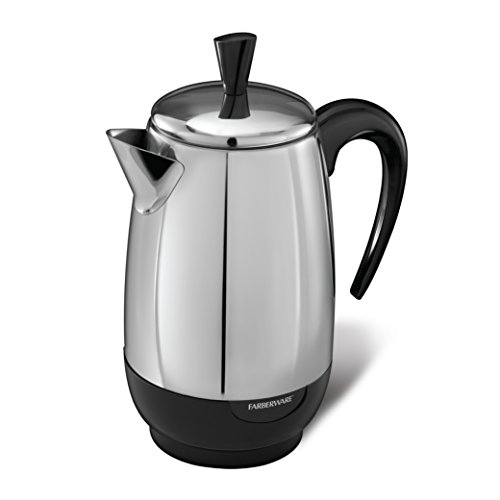
Farberware’s electric percolator uses a stainless steel exterior and basket, with percolating action intended to extract robust aroma and flavor. The design minimizes plastic contact in primary brewing areas, focusing on metal components where heated water circulates. The percolator is described as producing one cup per minute and features an automatic keep-warm function. This style of machine is useful for those who prefer percolated coffee and want a mostly stainless brewing pathway with minimal food-grade plastic exposure.
Cuisinart 14-Cup Coffee Maker, Programmable DCC-3200NAS

The Cuisinart DCC-3200NAS combines a stainless steel exterior with programmable features like adjustable carafe temperature and brew strength control. While the machine offers convenient automation (24-hour programmability, auto-off, 1-4 cup setting), buyers should verify internal water-reservoir materials if avoiding plastic contact entirely. The unit’s brew strength control and adjustable warming plate aim to preserve desirable flavor profiles. For users seeking a high-capacity programmable brewer, this model provides stainless aesthetics and flexible settings; confirm material specs for critical non-toxic requirements.
Buying Guide: How To Choose A Non Toxic Coffee Maker
When selecting a coffee maker with non-toxic priorities, consider the following factors to ensure both safety and brewing performance.
Materials In Contact With Hot Water
- Stainless Steel: Preferred for durability and minimal leaching when heated. Look for food-grade 18/8 or 304 stainless specifications.
- Borosilicate Glass: Heat-resistant and inert; ideal for pour-over carafes and visible brewing vessels.
- Avoid Aluminum And Unknown Plastics: Aluminum can react with acidic coffee; some plastics can release chemicals with heat. If plastics are present, check for BPA-free and heat-stable labeling.
Brewing Method And Exposure
- Manual Methods (Pour-Over, French Press): Often have minimal parts and expose hot water only to glass and metal components.
- Percolators: Typically stainless steel and simple; heating cycles and high temperatures are part of the method—consider flavor and safety trade-offs.
- Programmable Drip Machines: Offer convenience but may include plastic reservoirs or tubing. Inspect internal components and manufacturer material disclosures.
Filters And Reusable Parts
- Stainless Steel Mesh Filters: Reusable, reduce waste, and avoid paper fiber residues; they maintain oils for fuller flavor.
- Paper Filters: Single-use and inert but add recurring cost and environmental waste. They can also reduce certain oils if that’s preferred.
Cleaning, Maintenance, And Longevity
- Dishwasher Safe Stainless/Glass: Simplifies cleaning and reduces buildup that can affect taste and safety.
- Replaceable Components: Removable baskets, seals, and gaskets extend product life and maintain hygiene without discarding the whole unit.
Performance Trade-Offs
- Flavor Profile: French press and percolator yield full-bodied coffee; pour-over highlights clarity. Choose based on taste preferences.
- Temperature Control: Programmable machines may offer better consistent temperatures; manual methods require kettle control.
- Convenience vs. Purity: Fully automated machines are convenient but may include more plastic parts; manual metal/glass methods favor material purity but require hands-on brewing.
Verification And Labels
- Manufacturer Disclosures: Check product pages and manuals for material lists and “BPA-free” claims.
- Independent Reviews And Q&A: Look for user reports and manufacturer replies about interior reservoir materials and seals.
Choosing the right non-toxic coffee maker involves balancing material safety, brewing style, and practical needs like capacity and cleaning. Prioritize stainless steel and glass where possible, verify exposed materials in automated machines, and select a brewing method that fits your taste and lifestyle.