Choosing the right paper filter affects flavor, clarity, and environmental impact. This guide compares five widely used paper filters that fit common 8–12 cup drip, pour‑over, and single‑serve brewers. Below is a quick summary table of the selected products for easy comparison.
| Product | Type | Key Feature | Pack Size |
|---|---|---|---|
| Amazon Basics Basket Coffee Filters | Basket | Compostable; fits 8–12 cup basket makers | 200 Count |
| Amazon Basics Number 4 Cone Coffee Filters | #4 Cone | SFI certified; designed for 8–12 cup cone brewers | 100 Count |
| BRIKINTE Disposable #4 Cone Filters For Ninja | #4 Cone (Ninja compatible) | Biodegradable; compatible with Ninja CFP models | 100 Count |
| Melitta Super Premium No. 4 Coffee Paper Filter | #4 Cone | Unbleached; microfine perforations; double‑crimped | 100 Count |
| Irekamons #4 Cone Unbleached Natural Paper | #4 Cone | Totally chlorine free; chemical‑free pulp | 100 Count |
Amazon Basics Basket Coffee Filters For 8-12 Cup Coffee Makers

The Amazon Basics Basket Coffee Filters are cut to fit most 8–12 cup basket‑style coffeemakers. The pack includes 200 white basket filters and claims to provide superior filtration that reduces gritty sediment while allowing desired coffee flavors through. These filters are noted as compostable, which may appeal to buyers seeking lower environmental impact. Use these if your brewer uses flat-bottom basket filters and you prefer the convenience of disposable paper filtration.
Amazon Basics Number 4 Cone Coffee Filters For 8-12 Cup Makers

The Amazon Basics #4 Cone Filters are designed for standard cone brewers that make 8–12 cups. The pack contains 100 white #4 cone filters and lists an SFI certification, indicating responsible sourcing under the Sustainable Forestry Initiative program. The product highlights removal of sediment while maintaining coffee taste. These are suitable for pour‑over and cone drip machines that accept #4 size cones.
BRIKINTE Disposable #4 Cone Replacement Filter For Ninja
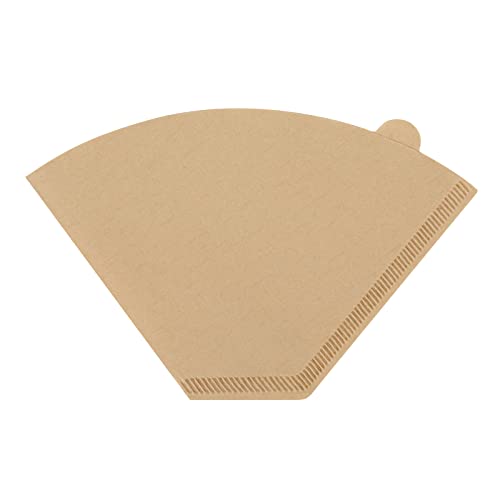
BRIKINTE markets these #4 cone filters as compatible with several Ninja coffee bar brewer models (CFP101, CFP201, CFP300, CFP301(c), CFP305, CFP400, CFP451). The filters are described as 100% biodegradable, made of textured recyclable paper that preserves shape and fluidity, and intended to resist tearing. The product emphasizes ease of cleanup—dispose of grounds and the filter—making them practical for those using Ninja machines that accept #4 cone filters.
Melitta Super Premium No. 4 Coffee Paper Filter Brown

Melitta’s Super Premium No. 4 is an unbleached brown cone filter made in the USA and sized for 8–12 cup cone electric and pour‑over makers. It features microfine flavor‑enhancing perforations and a double‑crimped design that reduces the chance of bursting. The manufacturer states the filter traps bitter oils for a rich cup while ensuring optimal extraction. These filters are aimed at users prioritizing flavor clarity and structural reliability.
Irekamons #4 Cone Coffee Filter Unbleached Natural Paper
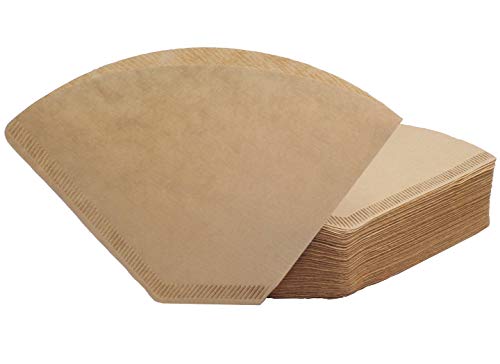
Irekamons offers unbleached natural #4 cone filters made from pure natural pulp with no chemicals, glue, or formaldehyde, and described as TCF (totally chlorine free). The product highlights a cleaner taste by removing oils and trapping grounds. Compatibility notes include many Cuisinart, Ninja, and Hamilton Beach models. These filters address consumers looking for chemical‑free paper and an unbleached option for reduced processing.
Buying Guide: Choosing The Right Paper Filter
When selecting paper filters, match the filter type and size to your brewer, consider material and processing, and weigh environmental tradeoffs. Below are key factors to evaluate.
Filter Type And Compatibility
- Cone (#2, #4, #6) — Common for pour‑over and cone drip brewers. #4 is standard for many 8–12 cup machines.
- Basket/Flat‑Bottom — Fits basket‑style filter holders used by many automatic drip machines.
- Single‑Serve Inserts — Designed for reusable pods or specialty single‑serve brewers; confirm model compatibility.
Material And Processing
- Bleached vs Unbleached: Unbleached (brown) filters undergo less chemical processing; bleached (white) filters may appear cleaner but can involve additional steps.
- Chlorine Free (TCF) / Certifications: Look for TCF or SFI certification if you prefer reduced chemical use or responsible forestry sourcing.
- Thickness And Flow: Thicker papers trap more oils and solids, often yielding clearer cups but slower flow; thinner papers increase flow and may retain less oil.
Flavor And Extraction Effects
- Oil Retention: Paper filters remove oils (like cafestol), affecting body and perceived strength. If you prefer a lighter, cleaner cup, paper filters are effective.
- Perforation And Design: Microfine perforations and crimping can improve extraction consistency and reduce risk of tearing or blowouts in cone filters.
Environmental Considerations
- Compostable/Biodegradable: Many paper filters are compostable; check packaging claims and local composting rules.
- Recycling And Waste: Used paper filters with grounds are typically unsuitable for standard recycling but can be composted where facilities allow.
- Sourcing Certifications: Certifications like SFI indicate responsible forestry practices; consider them if sourcing matters.
Practical Factors
- Pack Size: Larger packs yield cost savings and less frequent reordering—but check storage conditions to avoid moisture.
- Fit And Stability: A proper fit prevents grounds bypassing or filter collapse; confirm model compatibility lists when provided.
- Ease Of Use: Features like textured paper for shape retention and double crimping reduce tearing and make handling easier.
Comparison Perspectives
- Flavor vs Body: Compare unbleached, microperforated, and thicker filters to find the balance between clean flavor and desired body.
- Convenience vs Sustainability: Disposable paper filters offer convenience; unbleached or compostable filters may reduce environmental impact relative to bleached options.
- Model Compatibility vs Universal Fit: Some brands list specific compatible models (e.g., Ninja or Cuisinart). If in doubt, measure your basket or cone and select the matching filter size.
Use the information above to match filter type, material, and design features to your brewer and taste preferences. Each product reviewed here targets common needs: universal fit, unbleached processing, biodegradability, and structural reliability.