Self-filling coffee makers and refill kits connect your brewer to a water line or use a float valve to keep the reservoir topped up automatically. Below is a quick comparison of five practical solutions ranging from built-in systems to DIY kits and countertop units that hook to plumbing.
| Product | Type | Key Feature |
|---|---|---|
| Brew Express – BEC-110 Countertop Automatic Water Filling Coffee System | Countertop Self-Fill | Auto water line connection, 10-cup capacity |
| BREW EXPRESS – 10 CUP BUILT-IN-THE-WALL – SELF FILLING COFFEE SYSTEM | Built-In Wall Unit | Plumbed to supply, stainless steel finish |
| PureSec-CMK01 Coffee Maker AutoFill Kit | DIY Auto-Refill Kit | NSF-certified tubing, wide compatibility |
| GOOGIES Coffee Maker AutoFill Float Valve Kit | Float Valve Refill Kit | BPA-free, leak-free float valve |
| Brew Express – BEC-110 Countertop Automatic Filling Coffee System (Alt) | Countertop Self-Fill | Hot water on demand, thermal carafe |
Brew Express – BEC-110 Countertop Automatic Water Filling Coffee System

This countertop self-filling coffee system connects to a water line so the reservoir is continually topped up. It is designed to sit on the counter and deliver up to 10 cups without manually adding water. The unit includes an adjustable cup selector and accent lighting for visual feedback.
- Auto-fills from water line to eliminate manual refilling.
- 10-cup capacity suitable for households or small offices.
- Designed for countertop placement—no built-in wall cutout required.
BREW EXPRESS – 10 CUP BUILT-IN-THE-WALL – SELF FILLING COFFEE SYSTEM

This model is intended for built-in installation, connecting directly to the home water supply so you “never add water again.” The finish is stainless steel and it includes an adjustable cup selector for brew volume control.
- Plumbed installation integrates into cabinetry or wall openings.
- Stainless steel finish for a modern look and easier cleaning.
- Ideal for kitchens where a permanent, concealed water connection is preferred.
PureSec-CMK01 Coffee Maker AutoFill Kit Filtered Water Auto Refill DIY Kit
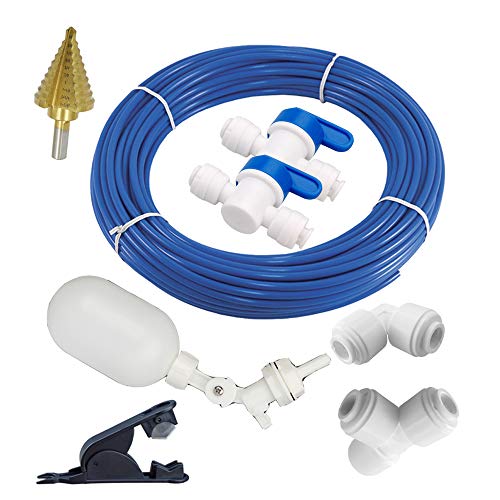
The PureSec kit converts non-commercial single-serve and certain drip machines into an auto-refill system. It uses NSF-certified 1/4″ tubing and food-grade quick-connect fittings for safe water delivery. The kit advertises broad compatibility with many single-serve and reservoir-style coffee makers.
- Works with Keurig single-serve models and many other brands that have removable reservoirs.
- Tool-free installation with non-locking clip tech for a DIY setup.
- Designed for potable water systems—check compatibility with your brewer model before purchase.
Coffee Maker AutoFill Kit With Float Valve For Single-Serve Brewers

This float valve kit from GOOGIES offers a simple, reusable float valve solution for maintaining reservoir water level. It’s made from 100% BPA-free materials and is promoted as leak-free. Applications include coffee machines, refrigerators, and RO systems.
- Float valve enables automatic shut-off at a set reservoir level to prevent overflow.
- Good option for retrofitting single-serve brewers or small reservoirs.
- Reusable and easy to connect to common 1/4″ tubing and fittings.
Brew Express – BEC-110 Countertop Automatic Filling Coffee System

This alternate listing for the BEC-110 emphasizes hot water on demand for continuous brewing without recovery delays. The system highlights an auto-fill capability to prevent water messes and includes a 10-cup thermal carafe to keep brewed coffee hot.
- Continuous brewing advantage—no wait for reheating between cycles.
- Thermal carafe retains heat and reduces reliance on a warming plate.
- Auto-fill connection reduces manual refills and countertop spills.
Buying Guide: How To Choose A Self-Filling Coffee Solution
Selecting the right self-filling coffee maker or kit requires considering installation, compatibility, maintenance, and water quality. Below are key factors to evaluate.
Installation Type
- Built-In Units: Require cabinetry cutouts and direct plumbing; best for permanent kitchen installations and cleaner aesthetics.
- Countertop Self-Fill: Sit on the counter and connect to a nearby water line—less invasive than built-in models but still require plumbing access.
- DIY Kits/Float Valves: Retrofit existing machines by attaching tubing and valves; ideal for renters or those who prefer non-permanent changes.
Compatibility With Your Brewer
- Confirm that a DIY kit or float valve is compatible with your machine’s reservoir shape and inlet fittings.
- Some single-serve models have proprietary reservoirs that prevent easy retrofitting—check model-specific compatibility lists.
Water Supply And Filtration
- If tying into household plumbing, consider adding a water filter to reduce scale, minerals, and taste issues.
- NSF-certified tubing and food-grade fittings are preferable for potable water connections.
Overflow Protection And Safety
- Float valves offer a mechanical stop to prevent overflow; built-in systems often include internal safeguards.
- Ensure connections and fittings are rated for continuous use and are leak-resistant.
Maintenance And Scaling
- Self-filling systems can increase scale buildup; schedule regular descaling per brewer manufacturer guidance.
- Periodic inspection of fittings, tubing, and valves reduces leak risk and helps maintain water quality.
Performance Considerations
- Continuous Brew Needs: If you need back-to-back brewing, select a system with hot water on demand or fast recovery.
- Capacity: Match reservoir capacity to household or office consumption—10-cup systems are common for small to medium use.
Installation Costs And Skills
- Built-in or plumbed countertop units may require a licensed plumber depending on local codes.
- DIY kits are typically designed for tool-free setup but inspect local plumbing rules before connecting to potable lines.
Comparison Perspectives
- Long-Term Convenience: Built-in and properly plumbed countertop units offer the least daily maintenance.
- Flexibility: DIY kits and float valves give flexibility for renters or owners who want to adapt an existing brewer.
- Cost vs. Permanence: Kits are lower upfront cost but may need more frequent maintenance; built-in solutions have higher installation complexity but cleaner integration.