Finding a versatile water dispenser that can deliver both still and sparkling water without hassle is a top priority for many households. The right unit should offer filtration, convenience, safety, and flexibility for hot and cold beverages. Below is a curated selection of five standout options that balance performance and user-friendliness. Each product is evaluated on filtration quality, ease of use, bottle loading method, and overall value for homes and offices alike. Use this guide to compare features and pick a dispenser that fits your daily hydration and entertaining needs.
| Product | Brand | Key Strength | Notes |
|---|---|---|---|
| Brio Q60 Sparkling Water Countertop Dispenser | Brio | 4-stage RO filtration, countertop convenience | No plumbing, compact footprint |
| Brio Bottom Loading Water Cooler Dispenser | Brio | 5-gallon bottle loading, hot/cold/room temp | Low-effort bottle changes |
| Avalon Bottom Loading Water Cooler | Avalon | BioGuard, anti-microbial coating | Stainless steel cabinet |
| Brio CLTL130SS 130 Series Top-Load | Brio | Top-loading, spill-free, 3/5-gallon support | Energy Star 3.0 |
| iSpring DS4S Bottleless Dispenser | iSpring | 4-stage filtration, self-cleaning | Built for home/office use |
Brio Q60 Sparkling Water Countertop Dispenser

The Brio Q60 is designed for countertop installation with no plumbing required. It features a four-stage reverse osmosis filtration system aimed at reducing PFAS and microplastics, delivering purified still water and sparkling water on demand. The unit supports a range of temperatures, from 39°F still water up to 46°F for sparkling water. A CO2 cylinder is compatible but not included, using the standard 60L threaded screw-in type. The setup is straightforward: fill a refillable reservoir and engage the touch display to choose still or sparkling water, with hot and cold options available via preset temperatures. This model appeals to households seeking contaminant reduction without a heavy install.
Key considerations: Robost filtration versus counter space, CO2 availability, and the balance between still and sparkling outputs. Potential users should verify CO2 cylinder compatibility and be mindful of ongoing CO2 refills. The 5-liter tank may require periodic refilling, but no drilling or drainlines make it suitable for apartments and offices where plumbing isn’t feasible.
Brio Bottom Loading Water Cooler Dispenser

Designed for 3- or 5-gallon bottles, this Brio model emphasizes easy bottle changes with a bottom-loading approach. It offers hot, cold, and room-temperature water, allowing for a range of beverages from hot soups to refreshing cold drinks. The hot-water spout includes a child-safety lock, reducing the risk of accidental burns. The unit’s compact footprint makes it suitable for kitchens, offices, or breakrooms where bottle storage and ease of use are priority. Overall, it balances practical daily use with safety features and a clean aesthetic.
Key considerations: Ease of bottle replacement, safety features for homes with children, and the ability to supply both hot and cold water without frequent refills. This model is strong for users who want a straightforward bottom-loading solution with reliable performance and a simple maintenance routine.
Avalon Bottom Loading Water Cooler
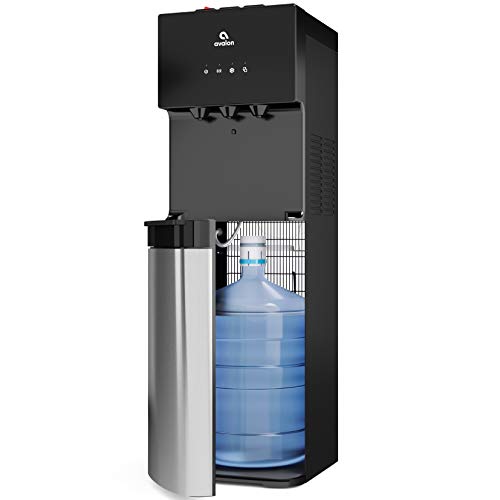
Avalon’s bottle-loading design and BioGuard coating aim to keep water clean and presentation sleek in homes or light-usage offices. With three temperature settings—cold, cool, and hot—the unit accommodates a variety of drinks and meals. The stainless-steel cabinet enhances durability, and the anti-microbial coating helps reduce surface contamination. Nightlight features improve visibility in dim environments, making it easier to monitor water levels and operate spouts at night. This model is well-suited for kitchens that prioritize both style and practical water cooling.
Key considerations: The balance between thermal performance and cabinet aesthetics, the impact of anti-microbial coatings on long-term maintenance, and the availability of a clear indicator for bottle replacement. Users should assess whether the built-in nightlight adds meaningful utility in their space and how the unit’s size fits their counter area.
Brio CLTL130SS 130 Series Top-Load
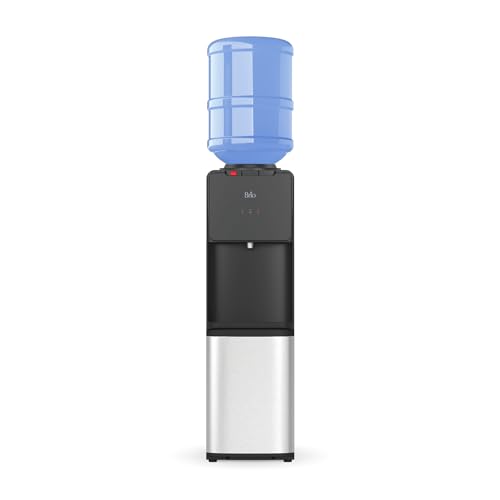
The Brio CLTL130SS top-load dispenser is designed for quick setup with 3- and 5-gallon bottles, featuring a spill-free loading system. It combines hot and cold water with a crisp cold option, enabling a range of uses from instant beverages to meal prep. The unit emphasizes durability and ease of use, with a rugged polymer construction and no-plumbing requirement. A fast 1.5 L/min flow rate ensures efficient filling, while the two-temperature setup supports everyday hydration and cooking needs. The model is suitable for homes, small offices, and spaces where reliability is essential.
Key considerations: Loading method preference (top vs bottom), spill-free loading, and energy usage. Prospective buyers should weigh the convenience of tool-free setup against the desire for any extra features like UV disinfection or self-cleaning cycles, which this model does not emphasize.
OSCEVIA Sparkling Water Machine
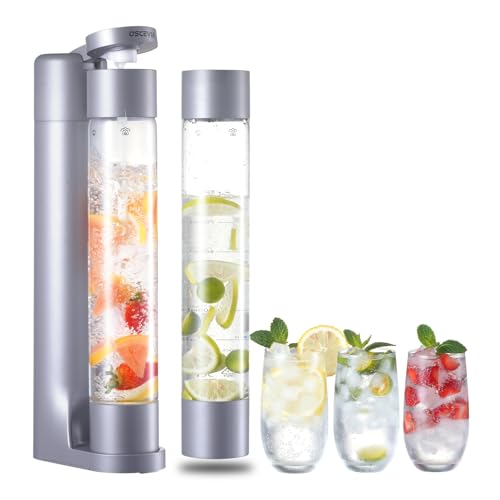
This OSCEVIA model focuses on creating your own sparkling beverages with two BPA-free bottles included. It emphasizes ease of carbonation with an air-charge design that injects CO2 efficiently into the beverage. The system is designed for quick setup—no electricity needed—and simplifies carbonation through a three-step process: fill with cold water, attach CO2, and carbonate. The inclusion of two portable travel bottles adds versatility for on-the-go hydration. This unit is appealing for users who want portable options and straightforward fizz without complicated electrical requirements.
Key considerations: CO2 sourcing and cylinder compatibility, portability versus fixed countertop space, and the level of fizz control. Users should consider whether a non-electrical solution meets their daily hydration and entertaining needs or if a plug-in unit with more programmable settings is preferable for large gatherings.
OSCEVIA Sparkling Water Machine (Alternative)

This version emphasizes a portable bottle approach and an enhanced air-charging system for carbonation. It supports two travel bottles and emphasizes the ability to carbonate beverages with added flavors, including juices and syrups. The absence of a reliance on electricity aligns with a flexible home bar or travel-friendly setup. The device enables experimentation with levels of carbonation, making it suitable for hosts who want to tailor drinks to guest preferences without a heavy appliance footprint.
Key considerations: The trade-off between portability and countertop permanence, the need for CO2 refills, and how the two-bottle design affects ongoing usability for daily hydration or entertaining. This model suits users who value mobility and a simple operation with customizable fizz levels.
Buying Guide: Key Purchase Considerations And Comparisons
Filtration quality: Look for models with multi-stage filtration (ideally 4-stage RO or similar) to reduce contaminants and improve taste. Consider PFAS and microplastics reduction, especially if your tap water quality is a concern.
Loading method: Bottom-loading and top-loading designs reduce lifting strain, while countertop, bottleless, or bottle-ready systems affect installation and space requirements. Choose a method that matches your space and dexterity preferences.
Temperature options: Decide whether you need still water only, or both still and sparkling, plus hot and cold outputs for beverages and cooking. Temperature range and speed of delivery are practical metrics for daily use.
CO2 management: Sparkling water requires CO2 sourcing. Check cylinder compatibility, availability, and whether the model uses standard sizes. CO2 cost and refill logistics impact long-term usability.
Safety features: Child-safety locks on hot-water spouts, nightlights for visibility in dim spaces, and easy-clean surfaces matter for homes with kids and busy offices. Safety should be balanced with ease of use and maintenance requirements.
Maintenance: Self-cleaning cycles, filter replacement indicators, and overall ease of filter changes determine long-term convenience. Consider units with clearly labeled maintenance schedules and accessible replacement parts.
Design and footprint: Aesthetic considerations and counter space constraints play a large role in choosing a dispenser. Stainless steel or sleek plastics, along with a compact stance, help fit various kitchen styles and office interiors.
Value and reliability: Compare total cost of ownership, including replacement filters, CO2 refills, and potential service needs. A model with durable components and accessible customer support offers higher long-term value for homes and small offices.