The siphon or vacuum coffee maker delivers a visually engaging brew and a clean, nuanced cup. Below is a concise summary of the five selected vacuum/siphon brewers featured in this guide. The table highlights capacity, material, and a key feature to help you compare at a glance.
| Product | Capacity | Material | Highlight |
|---|---|---|---|
| Yama Glass 8-Cup Stovetop Siphon | 24 oz | Borosilicate Glass | Reusable cloth filter included |
| HARIO Technica Coffee Syphon | 600 ml | Borosilicate Glass & Stainless Steel | Japanese heat-resistant glass components |
| YUCHENGTECH 3-Cup Siphon Pot | 360 ml | Borosilicate Glass | Compatible with multiple heat sources |
| Generic 5-Cup Siphon Coffee Maker | 600 ml | Borosilicate Glass | Large stainless steel bracket base |
| Bodum ePebo Electric Vacuum Maker | 34 oz | Glass Funnel & Tritan Jug | Automated temperature control |
Yama Glass 8-Cup Stovetop Siphon
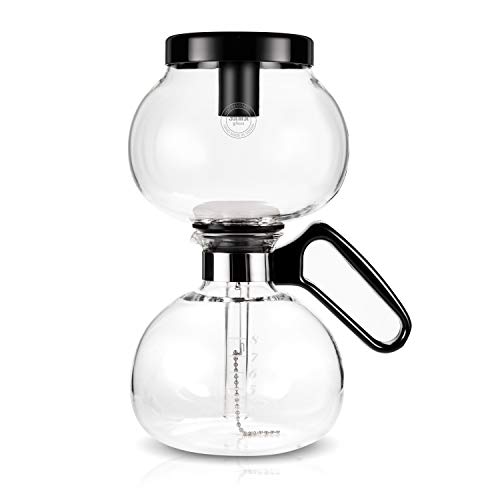
The Yama Glass 8-Cup Stovetop Siphon is built from heat-resistant borosilicate glass and supports stovetop heating. It includes a reusable cloth filter and measuring spoon, which helps control extraction and yields a smooth cup. The design emphasizes clarity of flavor and a classic siphon visual as water rises and falls between chambers. Durable glass construction reduces crack risk during typical brewing temperatures, and the 24-ounce capacity is suitable for several servings.
HARIO Technica Coffee Syphon
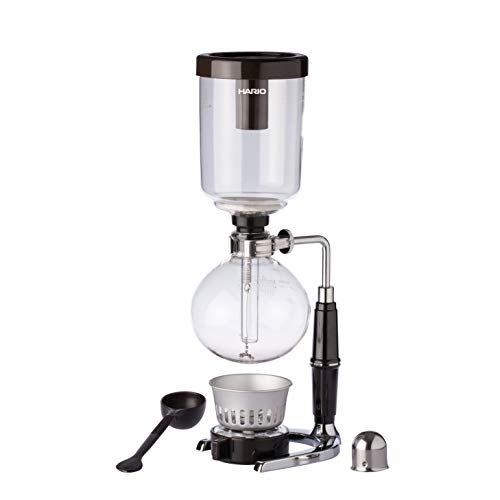
HARIO’s Technica syphon features components made from high-quality borosilicate glass and stainless steel. The set includes an upper bowl, lower bowl, and burner. The combination of materials supports consistent heating and visible brewing action. HARIO emphasizes heat resistance and long-term durability, suitable for users who value reliable and repeatable siphon performance. The 600 ml capacity fits small groups or multiple servings for one person over a few hours.
YUCHENGTECH 3-Cup Siphon Pot

This YUCHENGTECH table-top siphon is a compact 3-cup (360 ml) brewer made from high-temperature resistant borosilicate glass. The product notes practical tips for assembly and use to ensure a tight seal and smooth operation. Its stainless steel base supports multiple heat sources, including alcohol lamps, gas stoves, and halogen heaters, offering versatile heating compatibility. The smaller capacity suits single-serve brewing or modest servings and simplifies cleanup.
Generic 5-Cup Siphon Coffee Maker

The Generic 5-Cup siphon brewer holds up to 600 ml and uses borosilicate glass rated for wide temperature ranges. It features a large stainless steel bracket base designed to accommodate different heating devices. The maker is presented as a versatile, retro-style vacuum brewer suitable for small gatherings. The construction claims scratch resistance and the ability to withstand thermal stress typical of siphon brewing.
Bodum ePebo Electric Vacuum Coffee Maker

The Bodum ePebo automates the vacuum brewing sequence and includes temperature control for a consistent extraction. Its design incorporates a borosilicate glass funnel and a BPA-free Tritan jug for durability. As an electric model, it reduces manual heat source management and provides a repeatable brewing profile. The automation and modern controls appeal to users who want the siphon brewing style with simplified operation and consistent temperatures.
Buying Guide
When choosing a vacuum or siphon coffee maker, consider the following factors to match the brewer to your needs and environment.
Brewing Capacity
Decide on capacity based on typical servings. Smaller units (3-cup/360 ml) work well for single-serve or light consumption. Larger models (24 oz / 600+ ml) are better for serving multiple people or making several cups to drink across a morning.
Material And Durability
Borosilicate glass is the preferred material for siphons because of its thermal shock resistance. Look for sturdy glass, quality seals, and reliable joints. Metal components like stainless steel provide durable filter and stand options.
Filter Type
Filters affect cup clarity and mouthfeel. Cloth filters produce a cleaner cup while retaining oils, and metal filters allow more body. Reusable filters are more sustainable, while some models use replaceable cloth or paper components.
Heat Source And Compatibility
Traditional siphons require an open flame or alcohol lamp, gas stove, or butane. Ensure your chosen model’s base supports the heat source you plan to use. Electric vacuum makers provide automated, consistent heating and remove the need for external flames.
Ease Of Use And Maintenance
Siphons range from simple two-chamber systems to ornate balance siphons that require careful handling. Consider how easy it is to assemble, clean, and store. Removable parts and washable filters simplify maintenance.
Temperature Control And Consistency
Precise temperature control influences extraction. Electric models and units with adjustable burners or controlled heat sources provide more repeatable brewing results. Manual setups require practice to maintain steady temperatures during the siphon cycle.
Design And Presentation
Siphon brewers are often chosen for their theatrical presentation as much as the coffee. Balance siphons and polished glass systems can become a centerpiece. If aesthetics matter, consider finish, base material, and overall visual impact.
Compatibility With Grind And Dose
Siphon brewers generally perform well with medium-fine to medium grinds. Check recommended grind, and be prepared to adjust dose and grind size to dial in extraction and avoid clogging the filter or impeding flow.
Safety Considerations
Glass components and open flames require care. Ensure a stable base and keep hot parts away from children or flammable materials. For electric models, verify safety certifications and cord/hardware quality.
Comparison Perspectives
- Traditional vs Electric: Traditional siphons offer ritual and hands-on control; electric models give repeatability and convenience.
- Capacity vs Portability: Larger glass systems excel at serving groups but are less portable; smaller units are better for single-serve or travel with care.
- Filter Choice vs Cup Character: Cloth filters yield a clean cup with oils preserved; metal filters produce fuller body and higher sediment.
- Design vs Practicality: Ornate balance siphons are visually striking; simpler stovetop syphons tend to be easier to maintain and use daily.